

Glutathione is an antioxidant that the body makes naturally and uses in redox balance, cellular defense, and several enzyme-driven detoxification pathways. Those established biological roles do not automatically prove that an IV glutathione infusion improves energy, immunity, sleep, athletic recovery, chronic disease, or longevity. The useful question for patients is narrower: what is supported, what remains uncertain, and what should be checked before an injectable product is used?
Before Considering Glutathione IV Support
- Glutathione is central to antioxidant balance, but IV therapy should still start with a careful health history.
- Fatigue, recovery concerns, skin dullness, and oxidative stress goals may call for different nutrient strategies.
- Medication use, liver history, allergies, and current symptoms help determine whether infusion care is appropriate.
Match the Infusion to the Reason for Treatment
A focused glutathione IV drip visit can help patients in Fort Myers discuss antioxidant support, wellness goals, and safety considerations before choosing an infusion.
Physician-reviewed content • Evidence-aware care • Personalized treatment planning
A More Complete Wellness Conversation
People often ask about glutathione after reading about detoxification, skin clarity, immune resilience, or recovery. A better next step compares infusion therapy with testing, vitamin support, and the broader clinical picture.
What is Glutathione?
The Master Antioxidant
Glutathione is a tripeptide made from cysteine, glycine, and glutamate. It is produced naturally in the body and participates in antioxidant defense, redox signaling, and enzyme systems that help process reactive compounds. Calling it the “master antioxidant” is common shorthand, but that phrase should not be turned into a claim that more glutathione automatically produces better health or slows aging. The previous reference on this page to a “Global Antioxidant Research Institute” could not be substantiated and has been removed.
The Detoxification Powerhouse
Glutathione participates in normal detoxification chemistry, including conjugation reactions that help the body process certain compounds for elimination. That is different from the broad wellness idea of an IV “cleanse.” An infusion has not been shown to remove an undefined burden of environmental toxins from otherwise healthy people, and it should not replace evaluation or established treatment when heavy-metal exposure, liver disease, medication toxicity, or another specific problem is suspected.
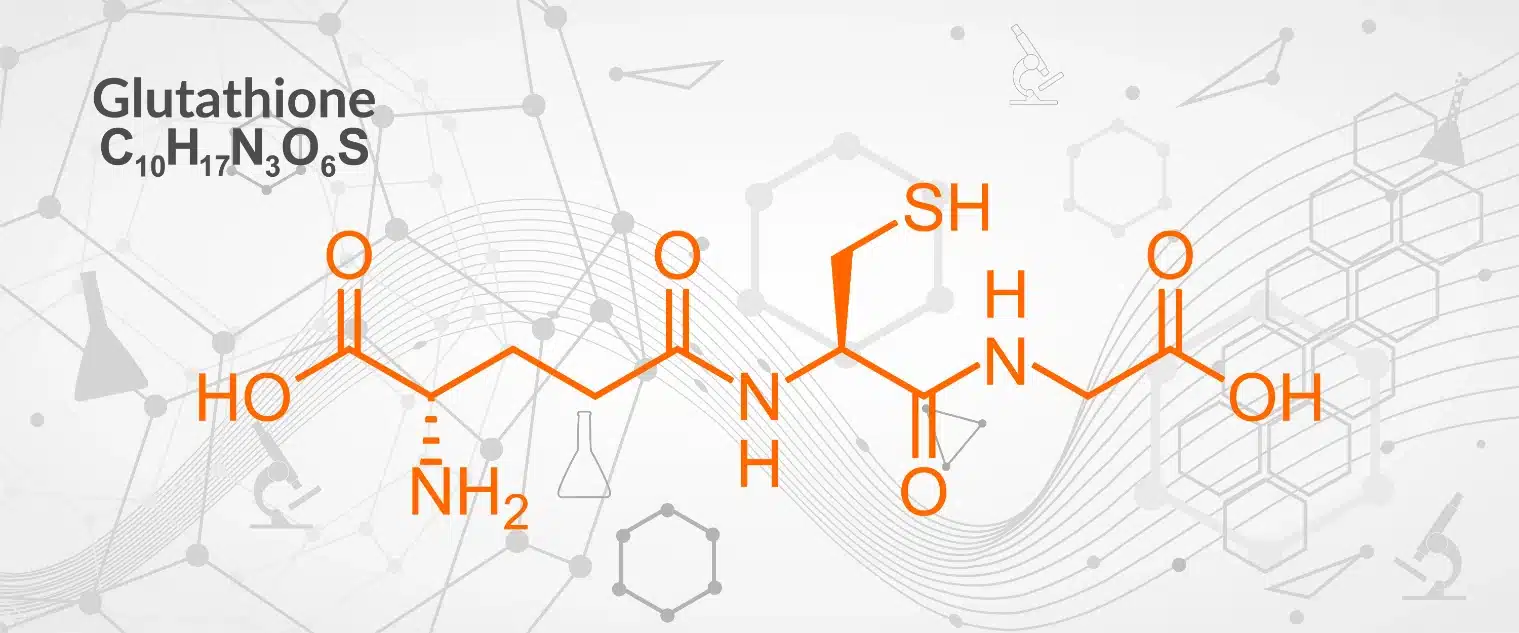
Glutathione is often referred to as the “master antioxidant” due to its crucial role in maintaining optimal health.
Glutathione IV Drip Therapy
What is Glutathione IV Drip Therapy?
IV administration places glutathione directly into the bloodstream, but route of delivery and clinical benefit are not the same thing. The previous claim on this page that a 2022 “Journal of Antioxidant Medicine” study found a 40% improvement in cellular repair and a significant immune boost could not be verified and has been removed. Published research has explored glutathione in selected medical and cosmetic contexts, but the evidence does not establish IV glutathione as a treatment for chronic fatigue syndrome, neurodegenerative disease, infection prevention, or general anti-aging. Evidence for cosmetic skin lightening with IV glutathione is also limited, with reviews calling for better efficacy and safety data. Review the IV glutathione safety evidence.
A 2026 FDA Alert Makes Ingredient Sourcing Especially Important
On August 27, 2026, FDA reported adverse events in at least 30 patients after IV glutathione products compounded with dietary-supplement-grade glutathione from a specific lot. FDA said dietary-supplement-grade material is not appropriate for injectable drugs and described recalls involving elevated endotoxin levels. Reported events included fever, chills, pain, dizziness, shock-like symptoms, and hospitalizations.
This alert does not establish that every glutathione infusion is unsafe. It does show why injectable ingredient grade, supplier qualification, compounding practices, and product traceability matter. FDA specifically advised healthcare professionals to check with compounders regarding the source of glutathione used in injectable drugs.
From Antioxidant Theory to a Practical Plan
When the goal involves energy, recovery, oxidative stress, or skin-focused wellness, vitamin IV drip therapy should be selected around health history, hydration status, and the reason for treatment rather than a generic menu choice.
What Glutathione Does Biologically—and What IV Therapy Has Not Proven
1. Antioxidant and Redox Defense
Glutathione helps cells manage oxidative stress and participates in redox signaling. Those are established biological functions of glutathione itself. They do not prove that an IV infusion will improve longevity, reverse cellular aging, or produce a noticeable wellness benefit in every person.
2. Detoxification Pathways
Glutathione is involved in enzyme-driven conjugation pathways used by the liver and other tissues. IV glutathione should not be marketed as a general-purpose toxin remover, heavy-metal treatment, or liver cleanse without a defined medical indication and appropriate evidence.
3. Immune Biology
Glutathione status interacts with immune-cell biology, but that does not establish IV glutathione as an immune booster that prevents colds, treats infections, or reduces the frequency of illness. Patients with recurrent or serious infections need an appropriate medical evaluation rather than an antioxidant infusion being presented as infection treatment.
4. Inflammation
Oxidative stress and inflammatory signaling are closely related, and glutathione is relevant to that biology. Clinical evidence does not support promising that a wellness IV will relieve arthritis, asthma, autoimmune disease, or other chronic inflammatory disorders. Those conditions require diagnosis-specific care.
5. Skin and Pigmentation
Glutathione has been studied for effects on melanogenesis and skin pigmentation. Oral and topical studies provide some evidence of modest, variable effects, while the evidence for IV glutathione is much less secure and long-term safety questions remain. Skin-brightening goals should therefore be discussed with realistic expectations rather than framed as guaranteed “anti-aging.”
6. Energy, Recovery, and General Wellness
There is not strong clinical evidence that IV glutathione reliably improves energy, sleep, athletic recovery, mental clarity, or general vitality in otherwise healthy adults. A patient may still choose to discuss antioxidant support, but persistent fatigue or poor recovery should first raise questions about sleep, hydration, nutrition, anemia, thyroid disease, medication effects, training load, and other possible causes.
What a Glutathione IV Visit at Fountain of Youth Looks Like
The service experience is more concrete than the broad wellness claims often seen online. Fountain of Youth SWFL describes a screened, nurse-administered IV visit that begins with relevant health details, medications, allergies, and treatment goals. A typical glutathione IV session lasts about 45 to 60 minutes in a calm setting with staff nearby.
Treatment frequency is individualized rather than something a blog article should prescribe. Patients can use the visit to ask what formulation is being considered, why it fits the goal, what product-quality safeguards apply, and whether another option would make more sense.
When Glutathione IV Care May Be Worth Discussing
Glutathione IV therapy is not a one-size-fits-all wellness shortcut. It makes the most sense when the clinical conversation connects symptoms, goals, and safety screening.
- Ongoing fatigue or recovery concerns that persist despite reasonable sleep, nutrition, and hydration habits.
- Interest in antioxidant support after reviewing medications, medical history, and possible contraindications.
- Skin-brightness or wellness goals where expectations need careful, medically responsible framing.
The safest next step is a suitability review before choosing an infusion protocol.
For questions about health history, lab review, or treatment planning before an in-office drip, TeleHealth can help clarify the safest next step.
Frequently Asked Questions
Does Glutathione IV Drip improve sleep quality and energy levels?
There is not strong clinical evidence that IV glutathione reliably improves sleep or energy in otherwise healthy adults. Glutathione is important to mitochondrial and antioxidant biology, but that mechanism does not prove a patient will sleep better or feel more energetic after an infusion. Persistent fatigue deserves evaluation for more common causes before it is attributed to low glutathione.
What role does Glutathione play in skin health?
Glutathione can influence melanin-related pathways, and some oral or topical studies have reported modest skin-tone effects. Evidence for IV glutathione used for cosmetic skin lightening remains limited, and reviews have raised safety and dosing concerns. For patients whose goals are primarily aesthetic, it can make sense to compare antioxidant support with evidence-based cellular-wellness topics and dermatologic or medical-aesthetic options rather than expect an IV drip to reverse skin aging.
Can Glutathione IV Drip detox the liver or reduce fatty liver disease?
Glutathione is involved in normal liver antioxidant and conjugation pathways, but IV glutathione has not been established as a routine treatment for fatty liver disease or as a general liver cleanse. Suspected liver disease should be evaluated with the appropriate history, laboratory testing, imaging, and evidence-based treatment rather than a wellness infusion alone.
Does Glutathione IV therapy boost immunity or reduce inflammation?
Glutathione is relevant to immune and inflammatory biology, but current evidence does not justify promising that an IV infusion prevents infections or treats chronic inflammatory conditions. The distinction between a biologic role and a proven clinical treatment is important.
Is IV Glutathione more effective than oral or topical Glutathione?
IV administration bypasses the gastrointestinal tract and delivers glutathione directly into the bloodstream, but higher or faster systemic exposure does not by itself prove superior patient outcomes. Oral and topical glutathione have been studied for some indications, while IV evidence remains limited for common wellness and cosmetic goals. Injectable products also introduce sterility, sourcing, infusion, and compounding considerations that do not apply in the same way to oral products.
What should I ask before receiving an IV Glutathione product?
Ask why the infusion is being recommended, what evidence supports that goal, what ingredients are included, where the injectable glutathione was sourced, who compounded it, what adverse effects are possible, and what symptoms should prompt medical attention. The August 2026 FDA alert makes injectable ingredient grade and compounding quality particularly relevant questions.
Three Practical Tips or Interesting Facts About Antioxidants
- Use whole foods to broaden antioxidant intake: Spices, herbs, nuts, seeds, vegetables, and fruit provide a range of polyphenols, vitamins, minerals, and other phytochemicals. No single food “detoxes” the body, but dietary variety can support overall nutritional adequacy.
- Keep vegetables varied: Leafy greens and cruciferous vegetables contribute vitamin C, carotenoids, folate, fiber, and other nutrients. Preparation can change nutrient availability, so there is no need to insist that one cooking method is always superior.
- Berries are a practical option: Berries provide vitamin C, anthocyanins, fiber, and other plant compounds. Fresh and frozen berries can both fit a healthy diet, while sweetened dried products may contain considerably more added or concentrated sugar.
What the Current Evidence Actually Says About IV Glutathione
- 2026 FDA compounding safety alert:
- FDA reported adverse events in at least 30 patients after IV glutathione products made with dietary-supplement-grade material from a specific lot and emphasized that ingredient sourcing and injectable-grade quality matter. Read the FDA alert.
- IV glutathione for skin lightening: inadequate safety data:
- A 2016 review found no adequate evidence supporting chronic IV glutathione use for skin lightening and emphasized the absence of long-term safety data. Read the review.
- Evidence review of systemic glutathione for skin whitening:
- A 2020 systematic review concluded that benefits were inconsistent and not long-lasting, with oral preparations better tolerated than parenteral preparations. Review the evidence.
- 2025 review of glutathione supplementation for skin lightening:
- This review found that evidence and safety vary substantially by route and called for stronger trials, especially for IV use because of safety concerns and the lack of standardized dosing. Read the 2025 review.
These sources do not show that glutathione has no biological value. They show that broad wellness claims for IV glutathione are substantially ahead of the clinical evidence, especially when treatment is marketed for anti-aging, immunity, fatigue, detoxification, or cosmetic skin changes.
Related Options for Antioxidant and Nutrient Support
Some patients prefer a shorter injection visit, while others compare glutathione with broader IV formulations. Reviewing adjacent options can make the consultation more specific and productive.
Putting Glutathione IV Therapy in the Right Context
Glutathione has important biological functions, but an important antioxidant is not automatically an evidence-based treatment for every condition associated with oxidative stress. IV glutathione should be discussed with realistic expectations, attention to injectable product quality, and a clear reason for treatment. At Fountain of Youth SWFL, the practical value of the visit is the opportunity to review health history, medications, allergies, goals, formulation questions, and alternatives before an infusion is selected. That patient experience can be personal and comfortable without turning uncertain benefits into medical promises.
Medical review: Reviewed by Dr. Keith Lafferty MD, Fort Myers on January 14, 2024. Fact-checked against government and academic sources; see in-text citations. This page follows our Medical Review & Sourcing Policy.
