
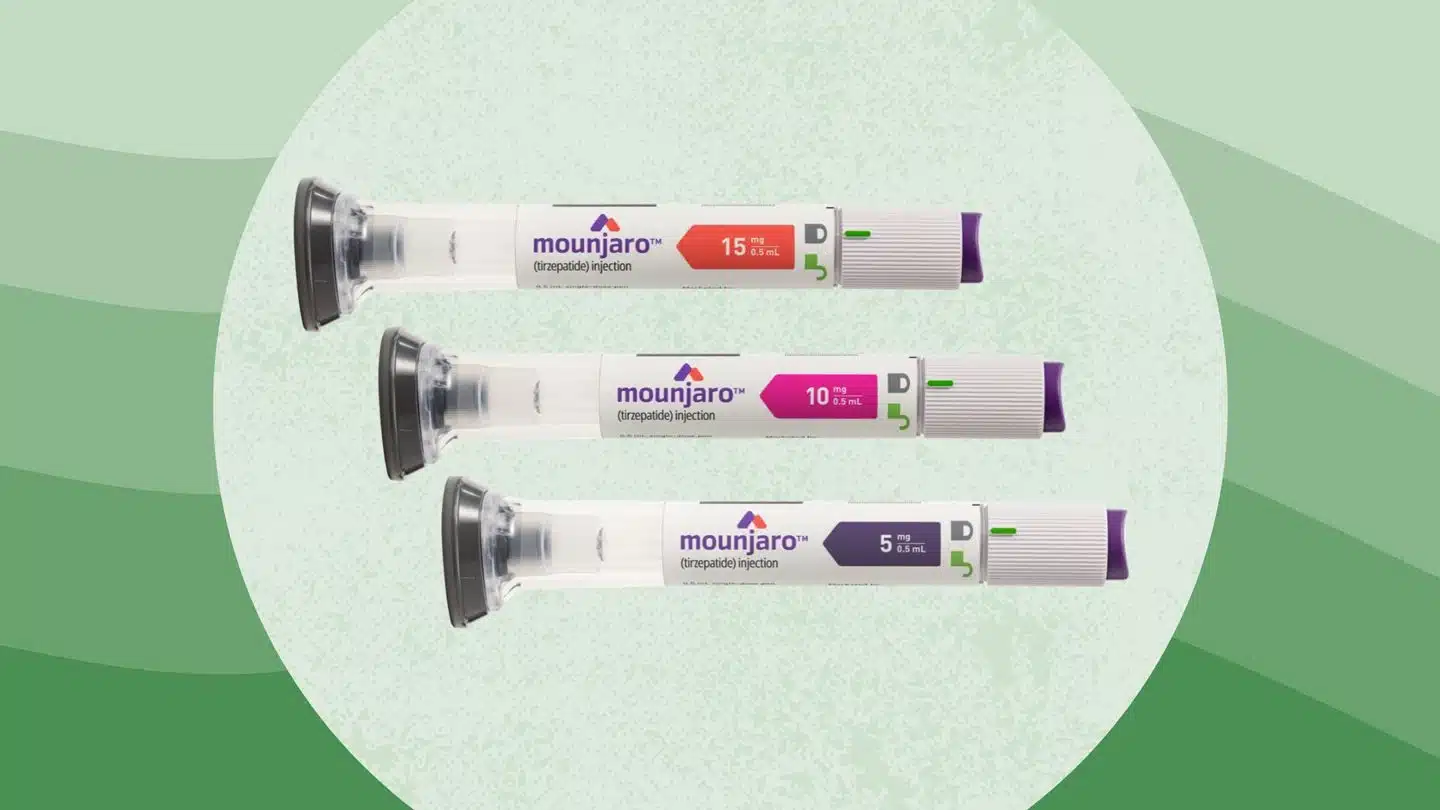
Navigating the world of weight loss solutions can be challenging. If you’ve been considering Mounjaro, it is important to separate the drug’s FDA-approved uses from the weight loss associated with tirzepatide. According to the current FDA-approved Mounjaro prescribing information, Mounjaro (tirzepatide) is approved with diet and exercise to improve blood sugar in adults and children age 10 and older with type 2 diabetes. In August 2026, its indication was expanded to reduce the risk of major cardiovascular events in adults with type 2 diabetes who are at high risk. Mounjaro itself is not FDA-approved for chronic weight management; tirzepatide is approved for that purpose under the brand name Zepbound.
Many people are interested in Mounjaro because weight reduction has been observed consistently in tirzepatide clinical trials, in addition to its effects on blood sugar. For patients with type 2 diabetes, Mounjaro may be considered as part of a broader treatment plan based on glucose control, cardiovascular risk, tolerability, and other health factors. For patients whose primary treatment goal is chronic weight management, the FDA-approved tirzepatide brand and indication are different, which is why the distinction between Mounjaro and Zepbound matters.
Like all prescription medications, Mounjaro can cause side effects. Common reactions include nausea, diarrhea, decreased appetite, vomiting, constipation, indigestion, and abdominal pain. The prescribing information carries a boxed warning because tirzepatide caused thyroid C-cell tumors in rats; it is not known whether it causes these tumors, including medullary thyroid carcinoma (MTC), in humans. Mounjaro is contraindicated in people with a personal or family history of MTC or Multiple Endocrine Neoplasia syndrome type 2 (MEN 2).
At the Fountain of Youth clinic, we support patients considering or using tirzepatide treatment by reviewing the appropriate product, dose progression, tolerability, side effects, and follow-up needs. Insurance coverage and medication access can vary, so those questions should be addressed alongside the clinical plan.
As you delve into the world of Mounjaro and weight loss, you might come across terms like Mounjaro weight loss coupon or be looking for Mounjaro near me. These searches reflect strong interest in the weight effects of tirzepatide, but Mounjaro’s FDA labeling should not be confused with Zepbound’s chronic weight-management indication. Mounjaro can be prescribed alongside insulin in some patients, but the two medications must be given as separate injections and should never be mixed in the same injection. A clinician may also need to adjust insulin or an insulin-secretagogue dose to reduce the risk of low blood sugar.
So, whether you’re seeking information about Mounjaro and weight loss, comparing tirzepatide options, or have concerns about side effects such as diabetic retinopathy complications, this guide covers the major issues to discuss with a healthcare provider. It explains how Mounjaro works, how its dosing is structured, what the current FDA indications are, and where weight management with tirzepatide fits into the picture.
Before Choosing a Tirzepatide Weight-Loss Plan
- Dose changes should account for appetite suppression, nausea, reflux, hydration, constipation, and meal tolerance.
- Medication choice should be reviewed against diabetes history, the boxed thyroid C-cell tumor warning, gallbladder symptoms, kidney concerns, and current prescriptions.
- Long-term progress depends on follow-up, protein intake, resistance-friendly movement, and a maintenance strategy after weight loss slows.
Match the Medication to the Patient, Not the Trend
FOY’s tirzepatide weight-loss support helps patients review candidacy, dosing tolerance, side-effect patterns, and practical follow-up before moving forward.
Physician-reviewed content • Evidence-aware care • Personalized treatment planning
Useful Starting Points Before the Appointment
Readers comparing medication options often benefit from a broader medical weight loss review and a clearer look at follow-up and maintenance planning.
How does Mounjaro (tirzepatide) work in the human body?
Mounjaro is an injectable dual glucose-dependent insulinotropic polypeptide (GIP) and glucagon-like peptide-1 (GLP-1) receptor agonist. Tirzepatide increases insulin secretion and reduces glucagon levels in a glucose-dependent manner, helping lower blood sugar. It also delays gastric emptying, reduces food intake, and is associated with lower body weight. Those combined effects help explain why weight loss is commonly observed during tirzepatide treatment, even though chronic weight management is not an FDA-approved indication for the Mounjaro brand.

Mounjaro, an injectable medication, works by mimicking the functions of natural incretin hormones in the body, which help to control blood sugar levels.
What are the potential side effects of using Mounjaro for weight loss?
Mounjaro may cause side effects ranging from common gastrointestinal symptoms to less common but serious complications. The current prescribing information lists nausea, diarrhea, decreased appetite, vomiting, constipation, dyspepsia, and abdominal pain among the most common reactions. Important warnings include acute pancreatitis, hypoglycemia when used with insulin or insulin secretagogues, serious hypersensitivity reactions, acute kidney injury related to volume depletion, severe gastrointestinal reactions, diabetic retinopathy complications in patients with a history of retinopathy, acute gallbladder disease, and pulmonary aspiration during general anesthesia or deep sedation. Tirzepatide caused thyroid C-cell tumors in rats, but whether it causes MTC in humans is unknown; Mounjaro is contraindicated in anyone with a personal or family history of MTC or MEN 2.
How long does it usually take to see noticeable weight loss results with Mounjaro?
Weight changes during tirzepatide treatment vary from person to person and generally develop over time rather than after a single dose. Mounjaro trials in people with type 2 diabetes documented reductions in body weight, while the dedicated chronic weight-management trials were conducted under the Zepbound indication. Individual results depend on dose, treatment duration, tolerability, diet, physical activity, diabetes status, and other health factors. Mounjaro should not be presented as a rapid or guaranteed weight-loss treatment.
Is there a particular diet or lifestyle regimen recommended while taking Mounjaro?
Mounjaro is FDA-approved as an adjunct to diet and exercise for improving glycemic control in people age 10 and older with type 2 diabetes. Nutrition and activity recommendations should be individualized around diabetes control, appetite changes, gastrointestinal tolerance, protein intake, hydration, and other medical needs. When tirzepatide is being considered specifically for chronic weight management, the FDA-approved brand for that indication is Zepbound, which is used with a reduced-calorie diet and increased physical activity.
When Side Effects Start Shaping the Plan
Medication success often depends less on the first dose and more on how appetite suppression, nausea, hydration, constipation, and food aversions are managed during active treatment. FOY’s medical weight loss care can pair prescription planning with nutrition, monitoring, and dose-tolerance review.
How does Mounjaro compare to other weight loss medications in terms of efficacy?
Mounjaro is not FDA-approved to treat obesity, although weight reduction has been observed in its type 2 diabetes trials. For chronic weight management, the same active ingredient is FDA-approved as Zepbound. In the pivotal obesity trials summarized by the FDA, adults without diabetes receiving the highest approved Zepbound dose lost an average of about 18% of body weight at 72 weeks, while adults with type 2 diabetes receiving the highest dose lost an average of about 12%. These results come from Zepbound’s weight-management program and should not be described as an FDA-approved Mounjaro obesity indication.
Can Mounjaro be used in combination with other weight loss treatments?
Mounjaro may be used with other diabetes treatments when clinically appropriate, but combinations require medication review. Using Mounjaro with insulin or an insulin secretagogue can increase the risk of hypoglycemia and may require dose adjustment of those medications. Mounjaro should not be combined with Zepbound or another tirzepatide-containing product. Patients considering any additional prescription, over-the-counter, or compounded weight-management treatment should review the combination with a qualified healthcare provider before using it.
Is Mounjaro approved for long-term use or is it intended for short-term weight loss?
The FDA has not approved Mounjaro for chronic weight management. Mounjaro is approved for type 2 diabetes and, as of August 2026, to reduce major cardiovascular events in adults with type 2 diabetes who are at high risk. Tirzepatide is approved for chronic weight management under the Zepbound brand. Whether long-term tirzepatide treatment is appropriate depends on the indication, response, tolerability, medical history, and ongoing clinician assessment.
What types of patients are considered the best candidates for Mounjaro treatment?
Mounjaro’s FDA-approved diabetes indication applies to adults and pediatric patients age 10 and older with type 2 diabetes, and its cardiovascular indication applies to adults with type 2 diabetes who are at high risk for major cardiovascular events. A BMI-based obesity indication belongs to Zepbound, not Mounjaro. Mounjaro is contraindicated in people with a personal or family history of medullary thyroid carcinoma, MEN 2, or a known serious hypersensitivity to tirzepatide or its ingredients. It is not recommended in patients with severe gastroparesis, and other conditions may require additional monitoring rather than automatic exclusion.
What precautions should be taken when using Mounjaro for weight loss?
It’s important to complete a medication and medical-history review before starting Mounjaro. The drug is contraindicated in people with a personal or family history of medullary thyroid carcinoma or MEN 2 and in people with a known serious hypersensitivity to tirzepatide or its ingredients. Patients should discuss pancreatitis history or symptoms, gallbladder disease, significant gastrointestinal problems, kidney risks related to dehydration, diabetic retinopathy, and any planned procedure involving general anesthesia or deep sedation. Mounjaro can also affect the absorption of oral medications, including oral hormonal contraceptives.
How is the dosage of Mounjaro determined?
The current Mounjaro label does not provide a specific “weight-loss dose” because chronic weight management is not a Mounjaro indication. The recommended Mounjaro starting dose is 2.5 mg once weekly. If additional glycemic control is needed, the dose may be increased in 2.5 mg increments after at least four weeks on the current dose, up to a maximum of 15 mg once weekly in adults. Dose escalation is intended to balance treatment needs with tolerability and should follow the prescribed plan rather than a self-selected weight-loss target.
Are there any known drug interactions that could affect the use of Mounjaro?
Mounjaro can interact with other medications in clinically important ways. Using it with insulin or an insulin secretagogue, such as a sulfonylurea, can increase the risk of hypoglycemia. Mounjaro delays gastric emptying and can affect absorption of oral medications. The prescribing information advises patients using oral hormonal contraceptives to switch to a non-oral contraceptive method or add a barrier method for four weeks after starting Mounjaro and for four weeks after each dose escalation. Patients should provide a complete list of prescription drugs, over-the-counter medications, and supplements before treatment begins.
Can Mounjaro be used by patients with underlying health conditions like heart disease or diabetes?
Mounjaro is approved to improve glycemic control in adults and children age 10 and older with type 2 diabetes. In August 2026, the FDA also approved Mounjaro to reduce the risk of major adverse cardiovascular events—cardiovascular death, non-fatal heart attack, or non-fatal stroke—in adults with type 2 diabetes who are at high risk for these events. In the SURPASS-CVOT trial, Mounjaro was noninferior to dulaglutide for the primary cardiovascular endpoint; superiority to dulaglutide was not established. Patients with cardiovascular disease or other serious health conditions still need individualized medication review and monitoring.
Is there any risk of developing a dependency or addiction to Mounjaro?
Mounjaro is not classified as a controlled substance, and addiction or drug dependence is not identified as an expected adverse effect in its current prescribing information. That does not mean the medication should be started, stopped, or dose-adjusted without clinical guidance. Use Mounjaro only as prescribed, and discuss any concern about stopping treatment, appetite changes, or weight regain with the treating clinician.
What happens if a dose of Mounjaro is missed – should it be doubled up on the next dose?
If a dose of Mounjaro is missed, the prescribing information says to take it as soon as possible within four days (96 hours) after the missed dose. If more than four days have passed, skip that dose and take the next dose on the regularly scheduled day. Two Mounjaro doses should not be taken within three days (72 hours) of each other. Patients with questions about timing should contact their healthcare provider rather than doubling a dose.
What is the impact of alcohol or caffeine on the effectiveness of Mounjaro?
The current Mounjaro prescribing information does not list alcohol or caffeine as a specific drug interaction. Alcohol can affect blood sugar and may worsen dehydration or gastrointestinal symptoms in some people, while caffeine can aggravate nausea, reflux, or other symptoms for certain patients. The practical issue is not a universal ban but how alcohol or caffeine fits with diabetes control, hydration, gastrointestinal tolerance, and the rest of the treatment plan.

Mounjaro and Zepbound contain the same active ingredient, tirzepatide, but they carry different FDA-approved indications.
Who Should Take the Next Step Carefully?
A medication-based weight-loss plan can make sense for some patients, but the safest path starts with candidacy, tolerance, labs, and long-term maintenance.
- Weight has returned after diet-only plans, and hunger signals or insulin resistance keep progress unstable.
- A GLP-1/GIP medication sounds appropriate, but nausea, reflux, constipation, gallbladder history, or medication interactions need review.
- Early weight loss has started, yet protein intake, strength, follow-up labs, or maintenance planning feel unclear.
A structured baseline review can make the decision more practical before medication begins.
Medication follow-up, lab review, and progress check-ins may be handled through TeleHealth when an in-office visit is not necessary.
A final word
This guide covers the practical details of Mounjaro, including how tirzepatide works, dosing, side effects, medication interactions, missed doses, and the weight changes seen during treatment. The key regulatory distinction is that Mounjaro is FDA-approved for type 2 diabetes and cardiovascular risk reduction in certain adults with type 2 diabetes, while tirzepatide’s chronic weight-management indication is marketed under the Zepbound brand.
Mounjaro treatment starts at 2.5 mg once weekly under the current prescribing information, with later dose decisions based on the approved indication, clinical response, and tolerability. The 2.5 mg starting dose should not be promoted as a special or stand-alone “weight loss option.” Patients seeking tirzepatide specifically for chronic weight management should discuss the FDA-approved Zepbound pathway and the dosing plan that applies to that product.
Medication cost, insurance coverage, and availability can differ substantially between diabetes treatment and chronic weight-management coverage. Patients comparing Mounjaro and Zepbound should verify which indication and product apply to their situation before relying on a coupon, price quote, or insurance estimate.
Dose changes should follow the prescribing plan and should not be optimized independently for faster weight loss. Tolerability, glucose response, concurrent medications, hydration, gastrointestinal symptoms, and the actual treatment indication all influence dosing decisions.
Mounjaro’s FDA approval should be described precisely rather than used as general assurance for weight loss. Its approved uses now include glycemic control in type 2 diabetes and cardiovascular risk reduction in certain high-risk adults with type 2 diabetes. Chronic weight management is an FDA-approved tirzepatide use under Zepbound. Keeping those indications separate helps patients understand what is on-label, what evidence applies, and which questions to raise before treatment.
Build the Plan Around Monitoring and Maintenance
A stronger next step includes reviewing baseline labs and initial assessment before treatment and understanding side-effect and risk management as the dose changes over time.
Medical review: Reviewed by Dr. Keith Lafferty MD, Fort Myers on August 31, 2026. Fact-checked against government and academic sources; see in-text citations. This page follows our Medical Review & Sourcing Policy.
