Peptide Therapy in Fort Myers, FL

Peptide therapy at Fountain of Youth is reviewed through a medical lens, not treated as a one-size-fits-all wellness shortcut. Different peptides are discussed for different goals, including recovery support, metabolic wellness, body composition, cognitive function, skin quality, immune signaling, intimate wellness, and healthy aging. The right conversation depends on the patient’s health history, current symptoms, medications, risk factors, and treatment priorities.

Patients in Fort Myers often ask about peptides after noticing slower recovery, reduced energy, changes in body composition, lower resilience, or wellness goals that need a more personalized plan. A consultation helps determine whether peptide therapy belongs in the discussion, whether lab work or another evaluation should come first, and which options may fit the broader care plan.

How Peptide Programs Are Reviewed at Fountain of Youth

Medical review matters: Peptide therapy is reviewed through patient history, current therapies, medication use, safety considerations, wellness goals, and provider guidance before any protocol is discussed.

The goal is not to choose a peptide from a list. The goal is to decide whether peptide therapy makes sense, which category fits the patient’s priorities, and whether another medical or wellness step should come first.

Which Peptide Category Fits the Conversation?

Some peptides are discussed around recovery and tissue support. Others enter conversations about metabolic wellness, body composition, cognitive clarity, skin quality, immune resilience, or intimate wellness. The peptide listing below gives patients a starting point for learning, but the final decision should come from clinical review rather than self-selection.

Peptide Options Reviewed Through a Medical Lens

The peptide names below are not a self-selection menu. They give patients a starting point for understanding which categories may come up during a consultation. Final recommendations depend on health history, medications, symptoms, lab context, safety considerations, sourcing, and provider review. Peptide program content is reviewed by Dr. Keith Lafferty MD, Fort Myers, with safety, candidacy, sourcing, and lab context considered before treatment discussions.

BPC-157

BPC-157 appeals to patients focused on recovery, tissue resilience, soreness, and performance support. A medical review helps separate realistic expectations from marketing noise by considering injury history, medications, training load, sourcing quality, and whether this option fits the broader care plan.

CJC-1295/Ipamorelin

CJC-1295/Ipamorelin belongs in conversations about growth hormone signaling, recovery quality, body composition, and age-related vitality. Provider oversight matters because sleep, labs, metabolic health, symptoms, contraindications, and long-term monitoring all influence whether this discussion makes clinical sense.

Epithalon

Epithalon attracts interest from patients exploring longevity, sleep rhythm, cellular maintenance, and age-supportive wellness. Clinical guidance keeps the conversation grounded by reviewing research limitations, health history, product sourcing, realistic goals, and how this option fits into a broader preventive strategy.

GHK-CU

GHK-CU stands out for patients interested in skin quality, hair support, tissue repair, and visible aging changes. A provider-led review helps clarify candidacy by weighing treatment goals, product quality, route of use, health history, and safety considerations before moving forward.

GLOW

GLOW fits appearance-focused wellness goals involving skin radiance, hydration, texture, and overall vitality. Medical review remains important because blend composition, sourcing quality, skin history, patient priorities, medication use, and realistic expectations should guide any recommendation instead of trend-driven claims.

Not Sure Which Peptide Fits Your Goals?

Peptide therapy should not feel like picking from a menu. At Fountain of Youth SWFL, patients receive a medical review that considers symptoms, goals, health history, lab context, medication use, and safety before any recommendation is made.

Schedule a private consultation in Fort Myers to discuss whether peptide therapy belongs in your wellness, recovery, performance, or healthy aging plan.

Methylene Blue

Methylene Blue draws attention from patients asking about focus, fatigue, mitochondrial support, and cellular energy. This option requires careful screening because medication interactions, dosing sensitivity, contraindications, sourcing standards, and individual risk factors can change whether it belongs in a patient’s plan.

MOT’s-C

MOT’s-C connects with metabolic wellness goals involving energy regulation, mitochondrial function, body composition, and resilience. Provider guidance helps place the discussion in context by reviewing metabolic history, medications, lab patterns, sourcing quality, treatment priorities, and appropriate follow-up needs.

NAD+

NAD+ supports conversations around cellular energy, healthy aging, recovery, and wellness optimization. A clinician should still evaluate fatigue, sleep quality, hormone balance, nutrition, medications, stress load, and chronic health concerns before deciding whether NAD+ support fits the patient’s goals.

NMN

NMN appears in longevity-focused discussions because of its relationship to NAD+ pathways, cellular function, and age-related energy changes. Medical guidance helps patients evaluate supplement history, sourcing quality, metabolic health, realistic expectations, and whether this approach complements their larger care plan.

NR

NR gives patients another route to discuss NAD+ support, cellular energy, metabolic resilience, and healthy aging goals. Provider review helps prevent overpromising by considering product quality, symptom patterns, medication use, health history, and whether the patient needs broader evaluation first.

Pinealon

Pinealon may interest patients focused on mental clarity, stress resilience, cognitive support, and healthy aging. A careful consultation helps frame the discussion around research limits, symptom history, medications, sourcing quality, expectations, and whether other clinical factors deserve attention first.

PT-141

PT-141 belongs in discreet conversations about libido, desire, hormone balance, and intimate wellness concerns. Medical screening matters because cardiovascular history, medications, hormone status, relationship factors, symptoms, and underlying health conditions can all shape the safest and most appropriate path.

Semax

Semax is relevant for patients asking about focus, mental stamina, stress tolerance, and cognitive performance support. Provider oversight helps determine whether sleep quality, neurologic symptoms, stress load, medications, sourcing standards, or another health issue should guide the next step.

Sermorelin

Sermorelin supports discussions about growth hormone signaling, recovery, sleep quality, body composition, and age-related vitality. Clinical review helps determine whether symptoms, labs, metabolic health, contraindications, dosing strategy, and long-term monitoring align with the patient’s broader wellness goals.

TB-500

TB-500 draws interest from patients focused on mobility, soft tissue resilience, soreness, physical recovery, and performance support. Medical guidance helps keep the conversation responsible by reviewing injury history, research limitations, sourcing quality, route of use, and patient-specific risk factors.

Tesamorelin

Tesamorelin fits body-composition conversations involving abdominal fat, metabolic health, and growth hormone pathways. Provider review remains essential because glucose status, lab context, contraindications, medication use, treatment goals, and follow-up monitoring all affect whether this option makes sense.

Thymosin Alpha-1

Thymosin Alpha-1 belongs in immune-support discussions involving resilience, recovery patterns, immune balance, and wellness planning. A medical review helps evaluate infection history, immune conditions, medications, sourcing quality, current symptoms, and whether broader testing or care coordination should come first.

What the Peptide Consultation Helps Decide

A peptide consultation should clarify whether treatment belongs in the patient’s broader care plan, not simply match a peptide name to a goal. Fountain of Youth reviews symptoms, health history, medications, lab context, sourcing questions, and safety considerations before any protocol discussion moves forward.

Clinical Fit

Whether peptide therapy fits the patient’s goals, symptoms, medical history, medications, and risk profile.

Lab Context

Whether lab review, additional testing, or another medical evaluation should come before peptide discussion.

Peptide Category

Which category makes sense to review, such as recovery, metabolism, cognition, skin, immunity, or intimate wellness.

Better First Step

Whether another service, treatment, lifestyle change, or medical workup should come before peptide therapy.

Sourcing and Safety

Whether sourcing quality, compounding considerations, contraindications, or medication conflicts affect the recommendation.

Follow-Up Plan

What monitoring, follow-up, symptom tracking, or plan adjustments may matter if treatment proceeds.

Patients can call 239-355-3294 or request a consultation to discuss whether peptide therapy belongs in their care plan.

Medically Guided Peptide Programs in Fort Myers

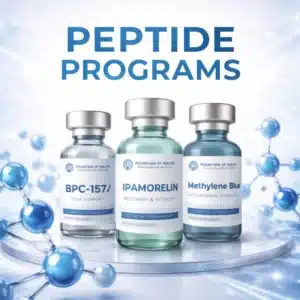
Peptide therapy program showcase

Peptide Therapy Is Not One-Size-Fits-All

Peptides are short amino acid chains that can act as signaling molecules in the body. Different peptides interact with different pathways, so they should not be treated as interchangeable. A recovery-focused peptide, a metabolic peptide, a cognitive-support peptide, and an immune-focused peptide may require very different conversations.

A responsible plan starts with the patient’s goals, symptoms, health history, medications, risk factors, and treatment priorities. Peptide therapy may be one part of a broader wellness plan, but it should not replace diagnosis, lab review, lifestyle work, hormone evaluation, injury care, or medical treatment when those steps are needed.

What Happens Before a Peptide Plan Is Discussed?

A peptide consultation may include a review of health history, current medications, symptoms, prior treatments, wellness goals, sleep patterns, recovery concerns, metabolic risk factors, and relevant lab findings. Some patients may need additional testing or another medical evaluation before peptide therapy makes sense. That review helps the provider understand whether the conversation should focus on recovery, metabolism, cognitive support, immune balance, body composition, skin quality, intimate wellness, or another priority.

This process helps separate realistic peptide candidates from situations where another approach should come first. It also gives patients a clearer understanding of treatment structure, follow-up, safety considerations, and protocol decisions. The goal is not to pick a peptide from a list, but to decide whether peptide therapy fits the person’s broader clinical picture.

What Patients Can Expect During a Peptide Consultation

  • Health history and medication review
  • Discussion of goals, symptoms, and risk factors
  • Lab review or testing recommendations when appropriate
  • Provider-guided discussion of peptide categories
  • Clear next steps before any protocol is considered

Why Safety, Sourcing, and Oversight Matter

Peptide therapy should not be approached like an online supplement trend. Sourcing, compounding standards, route of administration, medication conflicts, contraindications, dosing decisions, and follow-up all matter. Some peptides also sit in a changing regulatory environment, which makes medical oversight especially important.

Peptide availability, compounding status, sourcing standards, and clinical appropriateness can change as regulators review safety questions and available evidence. The FDA’s compounding safety review notes concerns for certain bulk substances, including immunogenicity, peptide-related impurities, limited human safety information, and route-specific risk. Fountain of Youth treats those issues as part of medical screening, not fine print, and aligns patient education with its Medical Review & Sourcing Policy.

Fountain of Youth reviews peptide questions through provider guidance and patient-specific screening. That approach helps protect patients from unrealistic claims, poor-fit protocols, and self-directed decisions that ignore medical context. It also helps keep the conversation grounded in safety, candidacy, and realistic expectations.

Why Patients Choose Fountain of Youth for Peptide Consultations

Fountain of Youth sees peptide consultation patients from Fort Myers, Cape Coral, Estero, Bonita Springs, North Fort Myers, and nearby Southwest Florida communities. In-office visits remain available in Fort Myers, with Florida-only telehealth considered when appropriate. The clinic supports patients across wellness, aesthetics, hormone-related care, IV therapy, medical weight loss, and regenerative services, which allows peptide conversations to fit into a broader care environment. That broader context matters when symptoms overlap across energy, recovery, metabolism, skin quality, sleep, hormones, and aging-related concerns.

Patients can call 239-355-3294 to discuss scheduling, visit expectations, and whether peptide therapy may be appropriate to review with the team. A consultation can help clarify whether peptide therapy belongs in the plan, whether another evaluation should come first, or whether a different wellness direction makes more sense.

Peptide Therapy FAQ

How do I know which peptide is right for me?

The right peptide depends on the patient’s goals, health history, symptoms, medication use, risk factors, and provider review. The peptide listing on this page is a learning tool, not a self-selection menu.

Are all peptides used for the same purpose?

No. Peptides may be discussed in different categories, including recovery, body composition, metabolic wellness, cognitive support, immune signaling, skin quality, and intimate wellness. Each category requires a different clinical conversation.

Do I need lab work before peptide therapy?

Some patients may need lab work before a protocol is discussed. That depends on the concern, the peptide category, current symptoms, medication use, health history, and provider judgment.

Is peptide therapy available through telehealth?

Fountain of Youth may offer peptide-related consultations through telehealth for patients located in Florida when appropriate. Some situations may require in-office evaluation or additional review.

Can peptide therapy replace medical treatment?

No. Peptide therapy should not replace diagnosis, medication review, lab testing, injury care, hormone evaluation, or treatment for an active medical condition. It should be considered only when it fits the broader clinical picture.