Here’s what you’ll learn when you read this article:
-
Why Sanofi’s investigational acne mRNA vaccine represents a different approach than chronic acne suppression.
-
What Phase 1/2 human testing actually evaluates and what results are not yet known.
-
How patients should realistically interpret vaccine research while continuing evidence-based care.
What Sanofi’s Investigational mRNA Vaccine Means for Patients
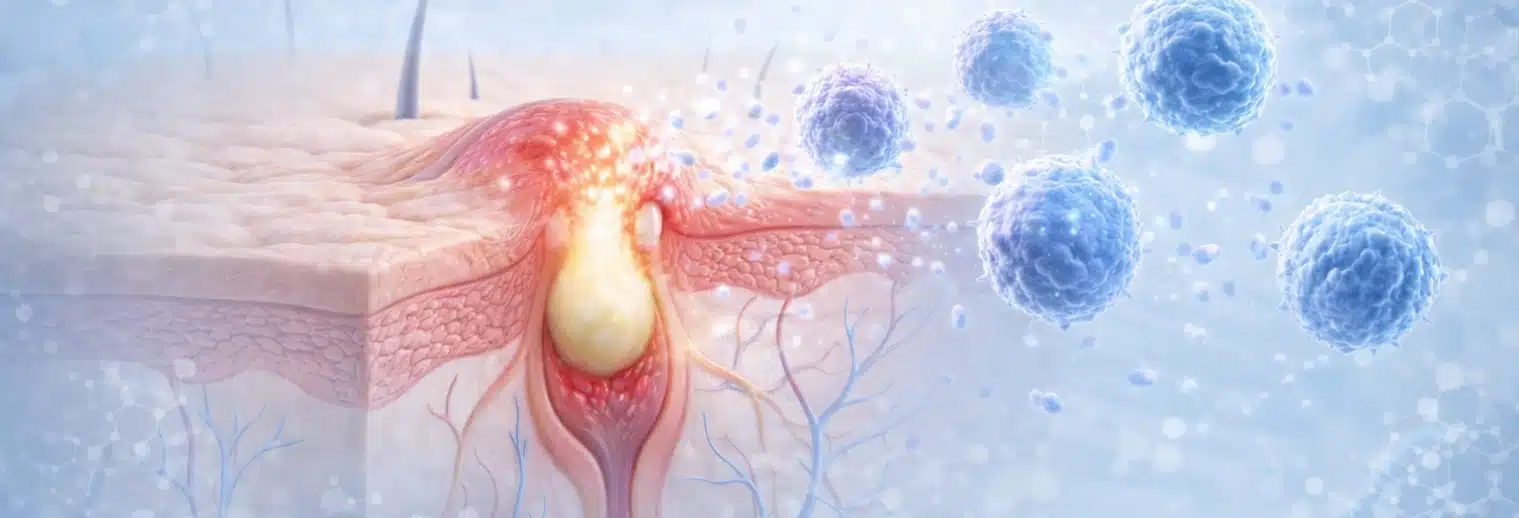
Acne affects millions of people long after the teenage years, often persisting into adulthood with physical, emotional, and social consequences. Many patients cycle through topical treatments, oral medications, and lifestyle adjustments without ever feeling that the root problem is fully addressed. Against that backdrop, the entry of an investigational acne mRNA vaccine into human clinical testing represents a genuinely different scientific direction. Instead of suppressing oil production, killing skin bacteria broadly, or damping inflammation after it starts, this research explores whether the immune system itself can be trained to respond differently.
Sanofi has advanced this concept into early human trials, marking one of the first times an acne vaccine strategy has moved beyond theory and laboratory work. While the research is still in its early phases and no results have been released yet, the fact that controlled clinical studies are underway signals a meaningful shift in how acne might be treated in the future. This article explains what is known, what is still uncertain, and how patients should realistically interpret this development.
Why Acne Remains Hard to Treat for Many Patients
Acne as an Immune-Driven Condition, Not Just a Skin Problem
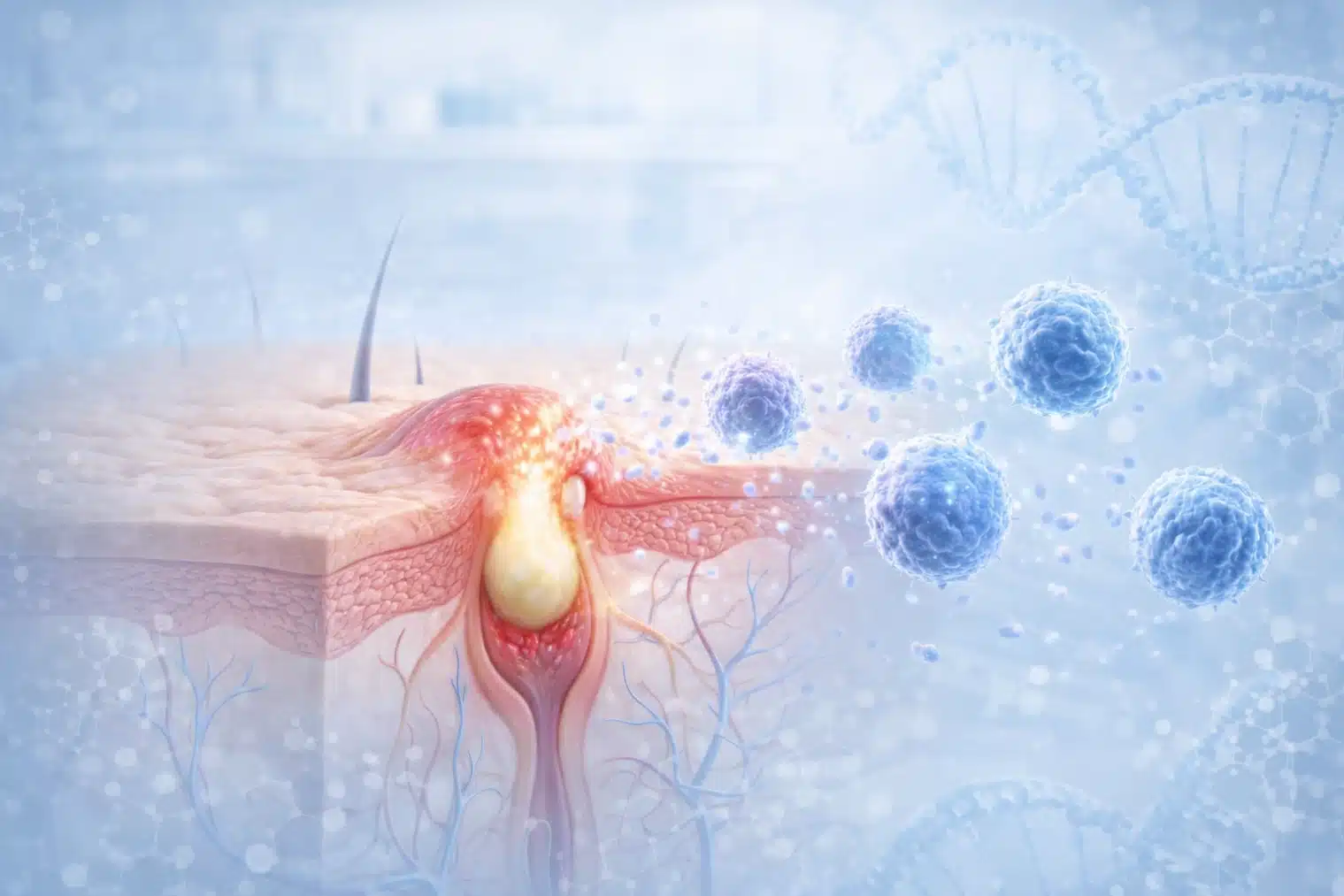
Acne is often described as a clogged pore or excess oil issue, yet the visible lesions are the end result of a deeper inflammatory process. Skin bacteria such as Cutibacterium acnes live harmlessly on most people’s skin, but in some individuals, the immune system reacts aggressively to certain bacterial components. That reaction triggers inflammation, swelling, redness, and sometimes painful nodules or cysts.
Many standard treatments focus on downstream effects rather than upstream immune signaling. Antibiotics reduce bacterial populations broadly, retinoids alter skin cell turnover, and hormonal therapies change oil production. These approaches can work well, but they often require long-term use and may lose effectiveness or cause side effects over time.
Why Acne Remains Hard to Treat for Many Patients
The Limits of Chronic Suppression
Patients frequently express frustration about needing continuous treatment just to keep acne at bay. When medications stop, breakouts often return. Long-term antibiotic use raises concerns about resistance and microbiome disruption, while systemic medications can come with monitoring requirements and tolerability issues. These realities have driven researchers to ask whether acne could be managed by changing how the immune system recognizes acne-associated triggers, rather than repeatedly suppressing symptoms.
Earlier attempts at acne vaccination, explored intermittently over past decades, struggled to balance immune activation with safety. Many approaches relied on whole-cell bacterial components or broad immune stimulation, which raised concerns about excessive inflammation or inconsistent clinical benefit. Those limitations help explain why acne vaccines largely stalled until newer technologies offered more precise immune targeting.
What an Acne Vaccine Is Meant to Do
Immunization Versus Traditional Acne Therapy
A vaccine for acne does not aim to sterilize the skin or eliminate all bacteria. Instead, the goal is immune modulation. By exposing the immune system to specific bacterial components in a controlled way, researchers hope to reduce the inflammatory overreaction that leads to acne lesions.
This concept mirrors how vaccines in other contexts teach the immune system to respond more appropriately to a stimulus. In acne, the stimulus already exists on the skin; the difference lies in how the body reacts to it. Because acne is a non-life-threatening condition affecting otherwise healthy individuals, immune-based therapies face a higher safety threshold than vaccines used to prevent severe infections. That distinction partly explains the cautious pace of development and the emphasis on extended safety monitoring.
Why mRNA Technology Is Being Used
mRNA technology delivers genetic instructions that allow the body’s own cells to temporarily produce a specific protein. That protein then trains the immune system to recognize a target without exposing the person to live bacteria. This platform has attracted attention across medicine following its use in infectious disease vaccines and is now being explored for dermatologic applications.
For acne research, mRNA offers flexibility. Scientists can design vaccines aimed at specific bacterial proteins linked to inflammation, rather than using whole organisms. This precision may reduce unintended effects on the broader skin microbiome, an area of growing interest in dermatology and one discussed in professional reporting such as Dermatology Times’ coverage of mRNA technology and acne.
Sanofi’s Investigational Acne mRNA Vaccine Trials
What Phase 1/2 Human Testing Means
Sanofi’s acne mRNA vaccine has entered Phase 1/2 clinical testing in adults. These studies are designed to answer foundational questions before any large-scale efficacy trials occur. Safety is the primary focus, followed by immune response and early signs of clinical benefit.
Participants in these trials receive intramuscular injections of the investigational vaccine, with some receiving placebo for comparison. Different dose levels are tested to understand tolerability and immune activation. This cautious, stepwise approach is standard for first-in-human studies and is outlined in publicly available trial descriptions.
Who Is Being Studied and Why
The trials involve adults aged 18 to 45 with defined acne severity, ranging from mild acne in one study to moderate-to-severe facial acne in another. One example is the study registered on ClinicalTrials.gov (NCT07013747), which evaluates two administrations of an acne mRNA vaccine candidate.
Long-term follow-up is built into the study design. Participants may be monitored for extended periods after the initial dosing phase to assess durability of immune response and to identify any delayed safety signals. That extended observation reflects the seriousness of introducing immune-modifying therapies for non-life-threatening conditions.
How the Vaccine Is Intended to Work
Targeting Inflammation Linked to Cutibacterium acnes
The investigational vaccine focuses on immune recognition of proteins associated with C. acnes. Public trial listings do not disclose the specific antigen targets, reflecting standard confidentiality during early development. Instead of eradicating the bacteria, the aim is to reduce inflammatory signaling when the immune system encounters selected bacterial components. If successful, this could mean fewer inflamed lesions even when bacteria remain present on the skin.
This distinction matters for patients concerned about antibiotic overuse or microbiome disruption. Preserving microbial balance while reducing inflammation is a central theme in current dermatologic research.
What Patients Should and Should Not Expect Right Now
No Published Results Yet
No human efficacy or safety results from Sanofi’s acne mRNA vaccine trials have been publicly released. As summarized in reporting such as Live Science’s overview of the acne vaccine trials, these early studies are designed to assess safety and immune response, not to prove clinical effectiveness.
A common concern among patients is whether immune effects from an mRNA vaccine would be permanent or difficult to reverse. mRNA platforms are designed to produce proteins only temporarily before the genetic instructions degrade naturally. While immune memory can persist, the technology itself does not remain in the body, a factor that researchers consider carefully when evaluating long-term safety for chronic conditions.
Why Approval Would Take Time
Even if early trials show acceptable safety and promising immune responses, larger Phase 3 studies would still be required. Those studies would involve more participants and longer follow-up before any regulatory review could occur.
In acne research, success would not necessarily mean complete elimination of breakouts. Clinically meaningful outcomes could include sustained reductions in inflammatory lesion counts, decreased severity of flares, longer remission periods between treatments, or reduced reliance on long-term antibiotics and systemic medications. These benchmarks matter more to patients than perfection.
Practical Implications for People Living With Acne
Navigating Hope Without Overpromising
For many people with persistent acne, the idea of a vaccine can feel like long-awaited validation. At the same time, early-stage research should be viewed as possibility rather than promise. Maintaining realistic expectations helps avoid disappointment and poor decision-making.
Talking With Healthcare Providers
Dermatologists and primary care clinicians can help place emerging research in context. At Fountain of Youth in Fort Myers, staff stay current on developments like investigational acne vaccines to help patients understand how future innovations may eventually influence care decisions.
Why This Research Still Matters
The movement of an acne vaccine into human testing signals a shift in scientific thinking. Acne has long been managed as a condition requiring continuous suppression, and immune-based strategies suggest a future where treatment could involve recalibrating the body’s response.
Looking Ahead Without Speculation
Sanofi’s investigational acne mRNA vaccine represents an important scientific milestone, yet its real-world impact remains to be determined through careful study. Awareness of this research helps patients stay informed without assuming outcomes that science has not yet proven.
Questions? We are here to help! Call 239-355-3294.
Medical review: Reviewed by Dr. Keith Lafferty MD, Medical Director at Fountain of Youth SWFL on February 5, 2026. Fact-checked against government and academic sources; see in-text citations. This page follows our Medical Review & Sourcing Policy and undergoes updates at least every six months. Last updated February 5, 2026.