
Takeaways
-
Proper sleep regulates leptin and ghrelin, reducing unwanted hunger and supporting healthy weight management.
-
Consistent sleep–wake schedules, optimized light exposure, and sleep hygiene synchronize circadian rhythms for better metabolism.
-
Combining timed meals, strategic exercise, and data-driven monitoring fosters lasting energy balance and appetite control.
Poor sleep disrupts leptin production, increasing hunger and calorie intake the following day. Elevated ghrelin levels intensify food cravings and undermine dietary restraint under stress. Research shows that short sleep reduces leptin by twenty percent and raises ghrelin significantly [1]. Sleep science remains largely unexplored on our site, yet optimizing rest proves crucial for metabolic balance. Some medical weight loss programs integrate sleep science to enhance metabolic outcomes.
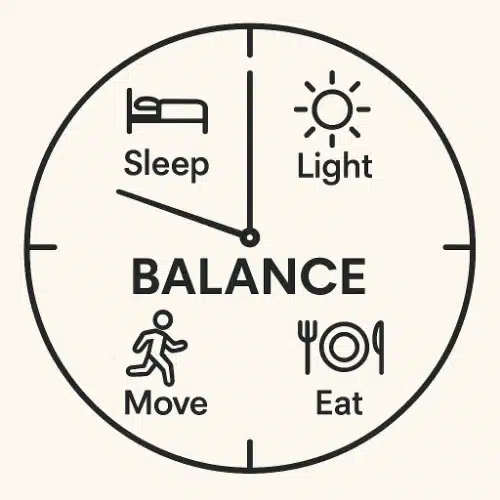
This clock‐face diagram illustrates the four pillars of circadian‐metabolic balance—Sleep consistency, morning Light exposure, timed Eating windows, and regular Movement—all centered around achieving lasting BALANCE.
The Link Between Sleep and Metabolism
Hormonal Regulation: Leptin and Ghrelin Dynamics
Poor sleep decreases leptin levels, so individuals feel less full and snack more. Elevated ghrelin signals then drive intense hunger even when caloric needs remain met. Hormonal imbalance often leads to overeating and weight gain quickly. Clinicians use blood assays to monitor these hormone shifts and personalize sleep interventions effectively. Some patients explore pellet therapy to support endocrine balance and improve sleep-driven metabolism.
Sleep Architecture and Energy Expenditure
Deep sleep stages support muscle repair and raise resting metabolic rate overnight. Interruptions to REM sleep impair glucose tolerance and reduce next-day calorie burning. Sleep fragmentation elevates evening cortisol levels, promoting fat storage and insulin resistance over time [2]. Improving sleep quality thus bolsters energy expenditure by up to five percent. Regular sleep assessments help guide targeted interventions for lasting metabolic health.
Circadian Rhythms and Metabolic Function
Molecular Clockwork and Nutrient Processing
Cellular circadian clocks regulate gene expression linked to glucose metabolism throughout twenty-four hour cycles [3]. Clock genes influence insulin secretion timing, so misalignment disrupts meal-stimulated glucose control significantly. Animal models demonstrate that clock disruption increases adiposity and impairs lipid metabolism within weeks. Chronobiologists design meal schedules aligned with patients’ internal clocks and thus optimize nutrient processing. Integrating meal timing into daily routines enhances metabolic flexibility and reduces glycemic variability gradually.
Consequences of Circadian Disruption on Glucose Tolerance
Shift work and irregular schedules misalign circadian rhythms and impair glucose tolerance notably. Nighttime eating confuses internal clocks, thus causing higher post-meal blood sugar spikes consistently. Social jetlag increases diabetes risk by altering eating patterns and hormone cycles repeatedly. Chronotype mismatches lead to midday energy crashes and thus increased snacking tendencies generally. Realigning sleep and meal timing together restores glucose homeostasis and improves insulin action sustainably.
Implementing Effective Sleep Hygiene
Consistent Sleep–Wake Scheduling
Establishing fixed wake and bedtimes anchors circadian rhythms for hormonal regulation over time. Morning light exposure upon waking reinforces internal clocks and improves daytime energy levels naturally. Limiting screen use one hour before sleep minimizes blue light interference with melatonin production. Clinicians coach patients to maintain consistent schedules through supportive follow-ups effectively. Tracking sleep times and correlating with mood and hunger data helps refine personal routines effectively.

Cellular circadian clocks regulate gene expression linked to glucose metabolism throughout twenty-four hour cycles
Creating an Optimal Sleep Environment
Cool room temperatures around sixty-eight degrees Fahrenheit encourage deeper, more restorative sleep naturally. Reducing noise with white noise machines or earplugs blocks interruptions and improves sleep continuity. Blackout curtains eliminate external light, thus reinforcing melatonin cycles and promoting hormonal balance overnight. Choosing supportive mattresses and pillows reduces discomfort and prevents wakefulness due to pain or misalignment. Keeping electronic devices outside the bedroom minimizes alerts and preserves uninterrupted rest.
Pre-Sleep Rituals to Enhance Restorative Sleep
Gentle stretching or yoga before bed relaxes muscles and calms the nervous system effectively. Reading a physical book under dim light signals the body that winding down has begun naturally. Herbal teas like chamomile can promote relaxation, so sipping one hour before bed can aid rest. Mindful breathing exercises calm the mind and decrease pre-sleep anxiety for smoother sleep transitions. Practitioners may recommend vitamin injections to correct nutrient gaps that impair sleep quality.
The table below summarizes core sleep–circadian interventions, their timing, and primary benefits. Use this guide to pick strategies that best fit your lifestyle and metabolic goals.
| Intervention | Key Actions | Recommended Timing | Primary Benefit |
|---|---|---|---|
| Sleep–Wake Scheduling | Maintain fixed bed and wake times daily | Every day | Anchors circadian rhythms |
| Optimal Sleep Environment | Keep room cool, dark, and quiet | Nighttime | Enhances sleep continuity |
| Pre-Sleep Rituals | Gentle stretching, reading, or breathing | 30 minutes before bed | Promotes relaxation |
| Morning Light Therapy | Expose eyes to bright light after waking | Within 30 minutes of wake-up | Shifts circadian phase earlier |
| Time-Restricted Eating | Consume all meals within a defined window | 10 hours or less each day | Aligns metabolism with circadian rhythms |
Chronotherapy Approaches for Metabolic Alignment
Morning Light Therapy and Phase Shifting
Exposing eyes to natural light within thirty minutes of waking shifts the circadian phase earlier. Phase advancement can improve insulin sensitivity by aligning peak hormone release with daytime activities. Light therapy boxes provide consistent light intensity indoors when weather conditions limit outdoor exposure. Clinicians deliver individualized light prescriptions to optimize circadian alignment effectively. Consistent morning light exposure also enhances mood and appetite regulation throughout the day.
Time-Restricted Eating and Meal Timing
Restricting eating windows to ten hours or less enhances metabolic markers in clinical studies. Early time-restricted eating aligns food intake with peak insulin sensitivity in the morning. Delaying evening meals by two to three hours reduces nighttime glucose spikes and improves sleep quality. Chrononutrition approaches incorporate personalized preferred mealtimes to fit patient lifestyles and preferences. Monitoring glucose and hunger levels helps refine meal timing for optimal metabolic and appetite control.
Strategic Exercise Scheduling
Scheduling workouts between eight and ten hours after waking aligns exercise with circadian peaks. Research indicates afternoon exercise improves insulin sensitivity more than early-morning sessions. Combining exercise timing with meal schedules enhances nutrient uptake and metabolic rate simultaneously. Clinicians adjust session timing to patient chronotypes to maximize workout effectiveness and compliance. Strategic exercise timing supports better appetite control and sustained energy levels throughout the day.
Leveraging Technology and Data for Sleep Optimization
Wearable Trackers to Monitor Sleep and Activity
Wearable devices track sleep stages, heart rate, and movement without invasive clinical equipment efficiently. Data dashboards visualize trends, so patients notice how sleep patterns correlate with metabolism and hunger. Clinicians use tracker insights to adjust patient interventions and improve outcomes significantly. Real-time feedback increases accountability and motivates patients to maintain healthy sleep habits consistently. Patients can also benefit from vitamin IV drips to replenish micronutrients depleted by poor sleep.
Apps for Light Exposure and Meal Reminders
Mobile apps schedule light therapy sessions and meal windows for straightforward habit enforcement daily. Reminders for bedtime routines and eating windows support users in adhering to chronotherapy plans. App-based sleep coaches offer guided modules on breathing exercises and relaxation techniques effectively. Food-logging features integrate with sleep data to highlight how meals impact nighttime rest and hunger. Digital tools empower patients to become proactive managers of their own sleep health daily.
Interpreting Data to Fine-Tune Daily Habits
Reviewing weekly reports reveals patterns and highlights areas needing behavioral adjustments proactively. Matching sleep quality metrics with appetite measures guides targeted refinements in lifestyle practices. Patients collaborate with clinicians to interpret data insights and co-create personalized next steps seamlessly. Periodic data reviews strengthen accountability and support continuous improvement in metabolic and sleep health. This iterative process ensures interventions evolve with patient progress and emerging research findings.
3 Practical Tips
Plan Sleep and Meal Windows
Creating a fixed eight-hour sleep window aligns biological and feeding cycles for better metabolism. Scheduling meals within waking hours supports natural ghrelin and leptin rhythms daily. Using smartphone alarms to signal bedtime and mealtimes reinforces consistent routines effectively. Reviewing sleep and meal logs weekly refines timing and optimizes metabolic balance. Adjusting windows gradually by fifteen-minute increments improves comfort and long-term success.
Establish a Wind-Down Routine
Designing a pre-sleep ritual involving gentle stretches, meditation, or relaxation music encourages restful transitions. Dimming household lighting and avoiding screens thirty minutes before bed preserves melatonin production. Experimenting with calming scents like lavender or chamomile enhances relaxation and sleep onset naturally. Maintaining room temperature between sixty-five and seventy degrees prevents thermal disruptions overnight. Monitoring how different routines affect sleep quality guides personalized adjustments.
Use Strategic Light Exposure
Exposing yourself to bright light soon after waking anchors circadian timing effectively. Reducing artificial light exposure one hour before bedtime supports melatonin secretion naturally. Using dawn-simulation alarms mimics sunrise and eases the awakening process gently. Incorporating midday outdoor breaks reinforces daytime rhythms and improves energy levels. Evaluating light exposure benefits by tracking mood and energy changes ensures continual optimization.
Frequently Asked Questions
What is the ideal sleep duration for optimal metabolic health?
Adults typically need seven to nine hours of sleep nightly to support healthy metabolism effectively. Sleep outside this range can disrupt hormone balance and increase appetite intensities.
How does circadian misalignment impact weight-loss efforts?
Misaligned sleep schedules often impair glucose tolerance, making weight-loss progress more challenging. Disrupted rhythms also elevate evening hunger and reduce fat-burning efficiency consistently.
Can time-restricted eating improve both sleep quality and appetite control?
Aligning eating windows with daylight often enhances sleep quality and appetite regulation effectively. Early time-restricted eating synchronizes hunger cues and hormone cycles for sustained benefits.
Which pre-bed routines best support hormonal balance for metabolism?
Practices such as gentle yoga, meditation, and calming scents promote relaxation and thereby stabilize appetite hormones pre-sleep. Avoiding screens and heavy meals also preserves melatonin production and enhances overnight metabolic balance.
Sustaining Sleep and Metabolic Health
Some participants complement sleep interventions with rejuvenation and healing therapies to accelerate recovery.
Long-Term Maintenance Strategies
Ongoing schedule reviews help identify slipping sleep habits and support consistent metabolic improvements. Refreshing hygiene routines prevents plateau effects and maintains sleep quality over the long term. Periodic chronotherapy adjustments align routines with seasonal daylight changes and patient lifestyle shifts. Peer support groups foster accountability and share advanced strategies for sustaining metabolic health collaboratively. Combining data insights with expert coaching ensures that sleep and metabolism interventions evolve effectively.
Accessing Ongoing Support and Resources
Many clinics offers follow-up modules and group classes for continuous education and accountability. Online tools, such as digital journals and workout logs, extend support beyond in-person visits. Peer support groups meet virtually and in-person for shared advice and motivation. Clinicians remain available for personalized advice and adjustments as needed. Comprehensive resources ensure patients maintain healthy habits and achieve long-term goals.
Medical review: Reviewed by Dr. Keith Lafferty MD, Fort Myers on June 8, 2025. Fact-checked against government and academic sources; see in-text citations. This page follows our Medical Review & Sourcing Policy and undergoes updates at least every six months.