This article focuses solely on using photobiomodulation (PBM) for scar and keloid remodeling. It does not repeat the broader rejuvenation and healing topics covered on our main page. You may refer back there for general tissue repair, but here we zero in on scars. Our staff at Fountain of Youth SWFL monitor emerging trials and update protocols accordingly so your care aligns with the latest science.
Distinguishing scar types and treatment goals
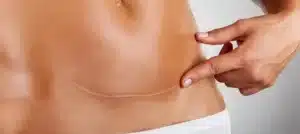
Photobiomodulation for Scar & Keloid Remodeling: Supporting Healing with Light
Scars evolve differently depending on wound healing, so PBM strategies differ. Hypertrophic scars stay within the wound margin and often soften or regress over time. Keloids grow beyond the original boundary. Early scars are more susceptible to modulation; once mature, collagen architecture becomes rigid. PBM aims to reduce itching, pain, height, redness and stiffness. The timeline matters: the window for modification narrows as the scar matures.
Cellular signaling: how PBM influences fibrotic tissue
PBM delivers nonthermal photons to mitochondrial chromophores, especially cytochrome C oxidase. That triggers ATP production, reactive oxygen species modulation, and nitric oxide release. These shifts downregulate fibrotic pathways such as TGF‑β/Smad and reduce fibroblast proliferation. In a recent comprehensive review, PBM was shown to inhibit collagen I synthesis and modulate inflammation-related signaling pathways. PBM also enhances microcirculation, diminishes edema, and can modulate neurogenic inflammation. These combined effects navigate the scar microenvironment toward balanced remodeling.
Clinical evidence by scenario
When applied early on surgical scars, 830‑nm LED PBM reduced hypertrophic change better than sham in a randomized, double‑blind trial. Patients reported less pain and better scar scores. “The treatment group showed significantly higher patient satisfaction and … lower VSS scores than the control group,” according to a study published on PubMed. For keloids and mature scars, recent reviews indicate promise but lack strong consensus. Some combined protocols are underway. A randomized trial is testing blue‑light PBM plus intralesional corticosteroids before and after keloid excision to improve residual scar quality.
Treatment parameters from existing studies
Studies most often use red wavelengths (~630–660 nm) or near‑infrared (~810–830 nm). Some explore blue light (~410 nm) for inhibitory effects on fibroblasts. In fibroblasts derived from keloids, blue light reduced collagen I expression and slowed proliferation in a dose‑dependent manner. Irradiances vary from tens to hundreds of mW/cm², and fluences range widely. Session durations in reports differ. Some deliver daily home doses; others deliver spaced clinical treatments. The lack of protocol standardization remains a barrier. Pulse mode, duty cycle, spot size, and overlapping treatments also vary. Clinicians individualize dose based on scar location, thickness, and pigmentation.
Tailoring PBM to scar stage
For very fresh incisions, start PBM once the wound is fully closed and risk of dehiscence is minimal. Use lower fluences and frequent sessions to steer collagen alignment. During early hypertrophy (first 3–6 months), escalate gently if no irritation; monitor pliability and redness. With mature hypertrophic scars (6+ months), use PBM as a supportive tool to soften and desaturate, though structural reversal is limited. When dealing with keloids, PBM will not reliably regress them alone. Use it around excision, injections, or energy therapies to support remodeling and suppress recurrence.
Integrating PBM with standard scar therapies
Silicone sheeting remains a first‑line noninvasive modality. PBM can complement it by modulating the biology beneath. When intralesional steroids or 5‑FU apply, schedule PBM on alternating days or sessions to enhance tissue receptivity without overstressing the scar. For energy treatments like microneedling or fractional lasers, insert PBM before or after once acute inflammation resolves. That sequence may reduce downtime and improve remodeling. Always leave buffer times to avoid compounding irritation. The goal remains synergy, not competition.
Which patients may benefit — and precautions
Patients with darker skin tones stand to gain, but may need adjusted dosing because melanin absorbs light strongly. Avoid PBM over areas that receive photosensitizing medications (e.g. certain antibiotics, retinoids). Do not use PBM on open wounds, active infection, or over known cutaneous malignancy. When patients have a history of skin cancer or are immunocompromised, secure physician clearance.
What happens during a PBM session
You’ll meet with a clinician or technician. They photograph the scar, cleanse it gently, and use protective eyewear. They place the device at a fixed distance above the scar or gently in contact. The session may last 1 to 10 minutes depending on area. You may feel slight warmth or tingling. After treatment, the skin may flush briefly. You can resume normal grooming and continue scar care. Downtime is minimal.
How to track progress meaningfully
Begin with a high‑resolution photo series and baseline scoring using the Vancouver Scar Scale (VSS) or POSAS. Track symptom scores (itch, tightness, pain) weekly. Assess objective changes every 4, 8, and 12 weeks in height, elasticity, color, and thickness. Document flareups, setbacks, or nonresponse proactively to guide adjustments.
Safety profile and red flags
Transient erythema, mild warmth, or tingling appear occasionally and resolve quickly. Chronic overexposure risks remain theoretical; no reports confirm serious harm in dermatologic PBM. According to a 2023 NIH systematic review, there is no evidence that properly dosed PBM increases oncologic risk in aesthetic use. If you experience blistering, unexpected pigmentation change, or persistent pain, stop treatments and consult. We constantly review safety literature. Our team updates protocols in response to any adverse signal.
Home PBM devices versus clinic protocols
Clinic systems hold stronger irradiance, consistent calibration, and larger coverage. Home devices offer convenience and maintenance doses but carry variability in output. We recommend clinical supervision for initiating treatment and allow home use later to sustain gains. We calibrate and vet devices our patients use to ensure safe, effective continuation.
Scheduling and planning your PBM program
Small scars may require 8–12 sessions spaced twice weekly. Larger or stubborn ones may need 12–20 sessions. After the initial intensive period, transition to maintenance use (e.g. weekly or biweekly). We coordinate PBM around surgical or injection windows to avoid conflict. We set expectations: remodeling is gradual, not immediate.
Research gaps and what lies ahead
Researchers still need unified dosing protocols and reporting standards. Few large trials exist in dark skin and high‑risk locations like chest or joints. Combination studies (PBM + injections, PBM + lasers) may yield optimized synergies. Biomarkers (e.g. collagen microstructure or gene expression) may help personalize treatment in future.
3 Practical Tips
- Keep the scar well hydrated with non‑comedogenic moisturizer or silicone gel to support light penetration.
- Log subjective symptoms (itch, tightness) daily so subtle plateaus trigger timely protocol tweaks.
- Avoid sun exposure or UV treatments on the targeted scar area during aggressive remodeling phases.
FAQ
How soon after surgery can PBM begin on a closed incision?
You can begin once the incision has fully epithelialized and the risk of dehiscence has passed. That typically occurs around 5 to 10 days, depending on location. Early use has shown reduced hypertrophic change in clinical trials. The device and fluence should be conservative initially to avoid stress.
Can PBM help if my keloid recurred after steroid injections?
PBM may support remodeling and reduce recurrence risk when used adjunctively after injections or surgery. Alone it probably won’t eliminate a re‑growing keloid. Use it to modulate fibroblast behavior and improve healing context going into your next treatment cycle.
How many sessions are typical before noticeable changes emerge?
Some patients begin seeing softening, reduced itchiness, or slight flattening by weeks 4 to 8. In the thyroidectomy LED trial, significant VSS differences appeared by month 6. Expect clinical change gradually over a 3‑ to 4‑month span.
Is PBM safe for darker skin and scars located on chest or shoulders?
Yes, current reports show minimal risk across skin tones when dosing is adjusted for pigmentation absorption. You may need slightly higher fluence or longer exposure, but we monitor closely. Clinically we treat high-tension zones carefully and tailor power to prevent overheating.
How this page supports your healing plan
You may not use PBM as primary therapy when scar removal or injections dominate treatment. But PBM slates as a low-risk adjunct that supports ongoing remodeling. Use it to nudge the biology toward smoother, softer scars. We will guide you on synergy timing, monitoring, and when to pause. Questions? We are here to help! Give us a call at 239‑355‑3294.
Medical review: Reviewed by Dr. Keith Lafferty MD, Fort Myers on November 1, 2025. Fact-checked against government and academic sources; see in-text citations. This page follows our Medical Review & Sourcing Policy and undergoes updates at least every six months.
