What This Page Is—and What It’s Not
Many of our patients hear about B12 injections and immediately ask which type is “best.” This page does not sell B12 shots. Instead, it supports our main vitamin injection services by giving you clarity about the differences between methylcobalamin and cyanocobalamin—the two most commonly used forms of injectable B12. We explain when and why each one might be used, what the latest research says, and how that applies to real-world care here at Fountain of Youth SWFL. If you’re deciding between options or simply want to understand the injection you’re receiving, you’re in the right place.
Why B12 Form Matters for Injection Clients
Vitamin B12 plays a role in red blood cell formation, neurological health, and energy metabolism. But not all forms of B12 act the same way in your body. Choosing the right one can affect how well symptoms improve and how often you need injections. Some people benefit from faster neurological support, while others simply need to restore their B12 levels after diet-related drops. Injection form becomes even more important for those with absorption issues, chronic fatigue, or neuropathy. By understanding the difference, you can better align your wellness goals with the approach your provider recommends.
Why B12 Form Matters for Injection Clients
The Forms at a Glance
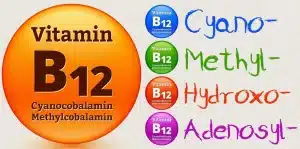
Vitamin B12 exists in several molecular forms. The two most common for injections are methylcobalamin and cyanocobalamin. Methylcobalamin is the biologically active form. Your body can use it directly in nerve function and red blood cell production. Cyanocobalamin is a synthetic version that requires conversion before it becomes active.
Both can raise B12 levels effectively, but they behave differently once injected. Hydroxocobalamin and adenosylcobalamin also exist but see less use in standard wellness care settings. Differences in daily intake and supplemental forms can also influence their clinical use.
Cellular Roles and Conversion Pathways
Once injected, cyanocobalamin must convert to methylcobalamin or adenosylcobalamin inside the body. That conversion depends on liver enzymes and methyl donors such as folate. Methylcobalamin, on the other hand, skips that conversion and directly enters B12-dependent biochemical reactions.
This can prove beneficial in people with methylation disorders or gene variations like MTHFR. Those individuals may not convert cyanocobalamin efficiently, which could slow symptom relief despite adequate blood levels. Active-form methylcobalamin circumvents that bottleneck and supports more predictable cellular uptake.
Absorption and Retention With Injections
Both forms bypass the digestive system when given as intramuscular injections, making absorption rates nearly identical. However, pharmacokinetic studies have shown methylcobalamin stays longer in brain and liver tissues. Research published in Journal of Clinical Biochemistry and Nutrition indicated that methylcobalamin leads to higher and more sustained tissue retention compared to cyanocobalamin, especially in neurological tissues. This retention advantage may explain why some patients feel more prolonged effects from methylcobalamin even if blood levels look similar. Clinical interpretation still depends on the individual case.
Dosing Frameworks Commonly Used
A typical B12 injection protocol starts with 1 mg of either form given weekly for four weeks. After that, many patients shift to monthly doses for maintenance. Those with ongoing fatigue, neurological symptoms, or high stress may require more frequent intervals. Methylcobalamin tends to be dosed at the same intervals as cyanocobalamin but may allow some patients to stretch the time between injections once their tissue stores stabilize. Standard B12 injection dosing protocols align with this format, especially in clinical repletion schedules.
Safety, Stability, and Handling
Cyanocobalamin is highly stable and cost-effective. It handles temperature variation well and stores easily, making it a pharmacy standard. Methylcobalamin, while slightly less stable, remains safe and effective when handled properly in a clinical setting. Neither form causes toxicity in routine doses. Some patients express concern over the “cyanide” in cyanocobalamin. In reality, the amount is minimal and biologically insignificant for healthy individuals. Allergic reactions or injection-site irritation are rare but possible with any formulation. Always report unusual symptoms after injections.
Neurologic and Metabolic Use Cases
Methylcobalamin appears to offer benefits in neurological repair. Peer-reviewed studies have documented its role in improving diabetic neuropathy, nerve regeneration, and sleep regulation via melatonin pathways. In fact, clinical and experimental studies show that methylcobalamin can improve nerve conduction and reduce pain levels in neuropathic patients. Patients with nerve-related symptoms, such as tingling or memory lapses, may benefit from its direct bioavailability. Cyanocobalamin can also help with these issues, but its need for conversion may delay clinical response in some people. Providers might choose methylcobalamin first when neurologic or cognitive symptoms are present—even when standard lab values don’t appear drastically low.
General Deficiency Correction and Hematologic Goals
Cyanocobalamin works well for general repletion, especially in cases of dietary deficiency, gastrointestinal malabsorption, or post-surgical needs. For patients aiming to improve red blood cell production or normalize serum B12 levels, both forms can succeed. Cost and availability often make cyanocobalamin a pragmatic first-line option. Follow-up labs usually confirm resolution within a few months, though patients with recurring symptoms may eventually switch to methylcobalamin for its additional cellular benefits. Correction of deficiency symptoms doesn’t always mirror blood values, so functional improvement matters most.
Cost, Access, and Availability
Cyanocobalamin remains more widely stocked across medical and wellness clinics. It costs less per dose, making it the standard for insurance reimbursement and bulk ordering. Methylcobalamin, though more expensive, is often selected for cases requiring neurologic support. At Fountain of Youth SWFL, we maintain both forms and guide patients to the right match based on goals, response, and any prior reaction history. For those with a high out-of-pocket burden, we discuss dosing frequency adjustments to balance budget with effectiveness.
Choosing a B12 Form
Choosing a Form at FOY: Decision Criteria
Our team considers multiple factors when recommending B12 forms. If you’re dealing with fatigue, stress-related burnout, or foggy thinking, methylcobalamin may support your goals more directly. If your need is general repletion after lab-confirmed deficiency or vegan diet risk, cyanocobalamin often suffices. If your symptoms persist despite corrected blood levels, that signals the need for a closer review—and possibly a shift to the active form. At Fountain of Youth SWFL, we stay on top of the latest B12 research to ensure our recommendations reflect real-world results and not just textbook theory.
Some medical conditions influence whether methylcobalamin or cyanocobalamin is the more appropriate form. The table below outlines common clinical situations and how each B12 type aligns with patient needs.
| Condition or Scenario |
Recommended B12 Form |
Reason for Preference |
| Diabetic neuropathy or nerve-related symptoms |
Methylcobalamin |
Supports direct nerve repair and higher retention in neural tissues |
| General dietary deficiency (e.g., vegan, post-op) |
Cyanocobalamin |
Cost-effective and reliable for routine repletion |
| MTHFR gene mutation or poor methylation |
Methylcobalamin |
Bypasses conversion steps that may be impaired |
| Budget-limited care with no neurologic symptoms |
Cyanocobalamin |
Lower cost and wider insurance availability |
Monitoring, Labs, and Outcome Tracking
Baseline labs typically include serum B12, methylmalonic acid (MMA), and homocysteine. These values help assess deficiency severity and functional B12 status. Follow-up testing usually occurs 6–12 weeks after initial dosing. Even if lab values normalize, ongoing fatigue, poor sleep, or nerve discomfort may warrant treatment continuation or adjustment. Methylmalonic acid is especially helpful when standard B12 levels appear falsely elevated but symptoms remain. Keeping a symptom journal between doses can help fine-tune the form and frequency with better long-term results. The mechanism of cobalamin action and its lab-guided use offer a reliable roadmap for B12 monitoring.
Myths vs. Facts
Claims that cyanocobalamin is “toxic” because of its cyanide molecule ignore context and dosage. The trace amount released during metabolism is far below harmful thresholds. Another myth suggests that only methylcobalamin is “natural.” In truth, methylcobalamin also comes from laboratory production—it’s simply the active form. No form of injectable B12 is harvested directly from food. Some marketing language exaggerates form differences for promotional gain. In clinical use, both forms deliver results when matched properly to the patient’s physiology and goals.
Co-Nutrients and Synergy
B12 does not act in isolation. Folate, vitamin B6, and choline play essential roles in methylation and homocysteine regulation. People taking B12 alone may not get full benefit if co-nutrient levels remain low. In some cases, adding folate improves neurologic symptoms when B12 alone does not. For patients with elevated homocysteine, a full methylation support strategy may prove more effective than single-nutrient therapy. Clinicians at Fountain of Youth may suggest B-complex injections or oral synergy regimens depending on your case.
Special Populations
Older adults often face declining B12 absorption due to reduced stomach acid. Injections bypass that problem and help stabilize energy and cognition. Post-bariatric patients also benefit from bypassing gut limitations. Vegans, vegetarians, and people with restrictive diets may not consume enough B12, making ongoing injections valuable. Pregnant and breastfeeding individuals need careful dosing, as B12 supports fetal nervous system development. In all cases, the injection form selected must reflect both the individual’s physiology and the clinical objective—not just convenience.
3 Practical Tips
- Ask your provider to clarify the injection’s purpose—general repletion or targeted neurological support.
- Pre-schedule follow-up labs and dose intervals based on your symptoms, not just textbook timelines.
- Keep a personal log of sleep quality, focus, or numbness after each injection to track real-world response and signal the need for possible form adjustments.
How This Support Page Fits With FOY Services
This page doesn’t replace your consultation or the main vitamin injection service page. It gives you the tools to ask informed questions and interpret your experience. Whether you’re on your first shot or your fifteenth, understanding your B12 form matters. Our team at Fountain of Youth SWFL brings clinical experience and ongoing research review into every decision about your care. Questions? We’re here to help! Give us a call at 239-355-3294.
FAQ
Which form is better for neuropathy-focused goals?
Methylcobalamin is generally preferred for neuropathy, as it supports myelin sheath regeneration and direct nerve repair. Studies have shown improved nerve conduction and symptom reduction with this active form. While cyanocobalamin can still raise blood levels, it may not act as quickly or effectively in neurological tissue.
How often are injections needed after repletion?
Most patients shift to monthly injections after initial weekly repletion. Those with persistent fatigue or high stress may benefit from biweekly doses. Adjustments depend on lab markers and how well your symptoms respond. Tracking personal outcomes helps refine the interval.
Are there side effects unique to either form?
Both forms are well tolerated. Injection-site irritation is possible but uncommon. Methylcobalamin may rarely cause overstimulation or vivid dreams. Cyanocobalamin includes a trace cyanide component, but it’s clinically insignificant in therapeutic doses and quickly cleared.
Can I switch forms if my labs improve but symptoms persist?
Yes, switching forms is a valid strategy when symptoms remain despite normal labs. Your provider may recommend methylcobalamin if neurologic symptoms persist. Symptom logs and advanced markers like MMA can guide this switch more effectively than B12 blood levels alone.
Medical review: Reviewed by Dr. Keith Lafferty MD, Fort Myers on October 10, 2025. Fact-checked against government and academic sources; see in-text citations. This page follows our Medical Review & Sourcing Policy and undergoes updates at least every six months.