Here’s what you’ll learn when you read this article:
-
How Wegovy tablets work, who qualifies under FDA criteria, and what the evidence shows about weight change and cardiovascular outcomes in eligible adults, using FDA prescribing information and large clinical-trial data published in The New England Journal of Medicine.
-
Why the tablet’s step-up dosing and strict morning timing rules matter for absorption, tolerability, and consistency, based on the administration instructions in the FDA label and the dose-escalation design used in the pivotal trial protocol.
-
How to handle common side effects, avoid avoidable timing conflicts with other morning medicines, and plan for coverage and cash-pay pricing using patient-facing guidance from NovoCare plus the safety details in the FDA prescribing information.
Wegovy tablets expand how some adults approach medical weight loss and cardiovascular risk reduction by offering a daily oral form of semaglutide alongside the weekly injection. The tablet has its own dosing strengths, step-up schedule, and administration rules that come directly from the FDA prescribing information, so the milligram numbers do not translate from injection to pill. This guide focuses on who qualifies, what results looked like in pivotal studies published in The New England Journal of Medicine, and what daily use typically requires in routine planning.
The goal here is practical clarity for patients deciding whether a daily pill fits their health goals and day-to-day schedule. Every key point ties back to primary sources, including the FDA prescribing information and the pivotal weight-loss trial evidence published in PubMed. You will see where expectations come from, what tends to cause avoidable problems in real-world use, and which questions to bring to a clinician before starting or escalating doses.
Wegovy tablets and how they differ from the injection
Wegovy tablets use oral semaglutide, but they rely on a tablet formulation designed for stomach absorption rather than subcutaneous delivery. The tablet includes an absorption enhancer, listed among inactive ingredients in the FDA prescribing information, which helps explain why timing rules matter more than many patients expect. Daily dosing changes practical realities like morning routines, travel planning, and how quickly side effects appear compared with a once-weekly injection.
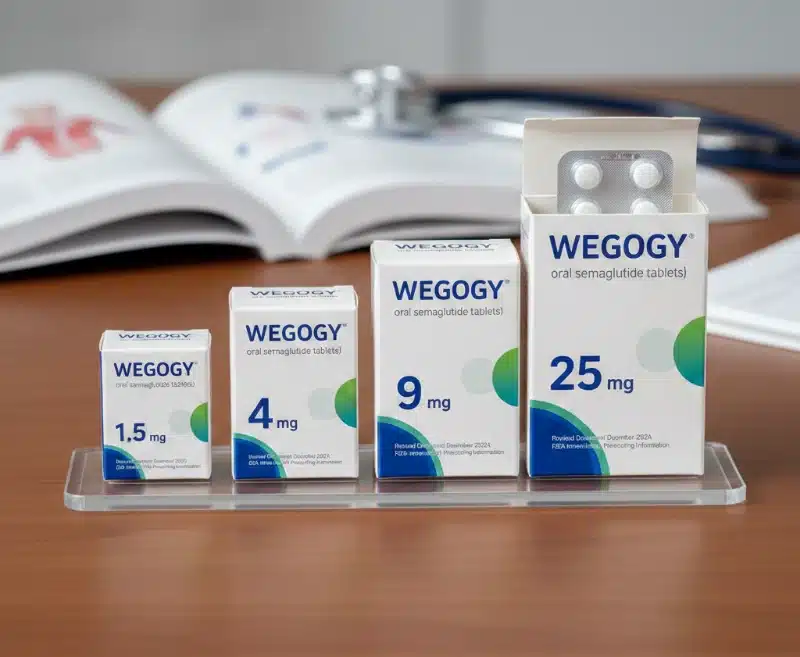
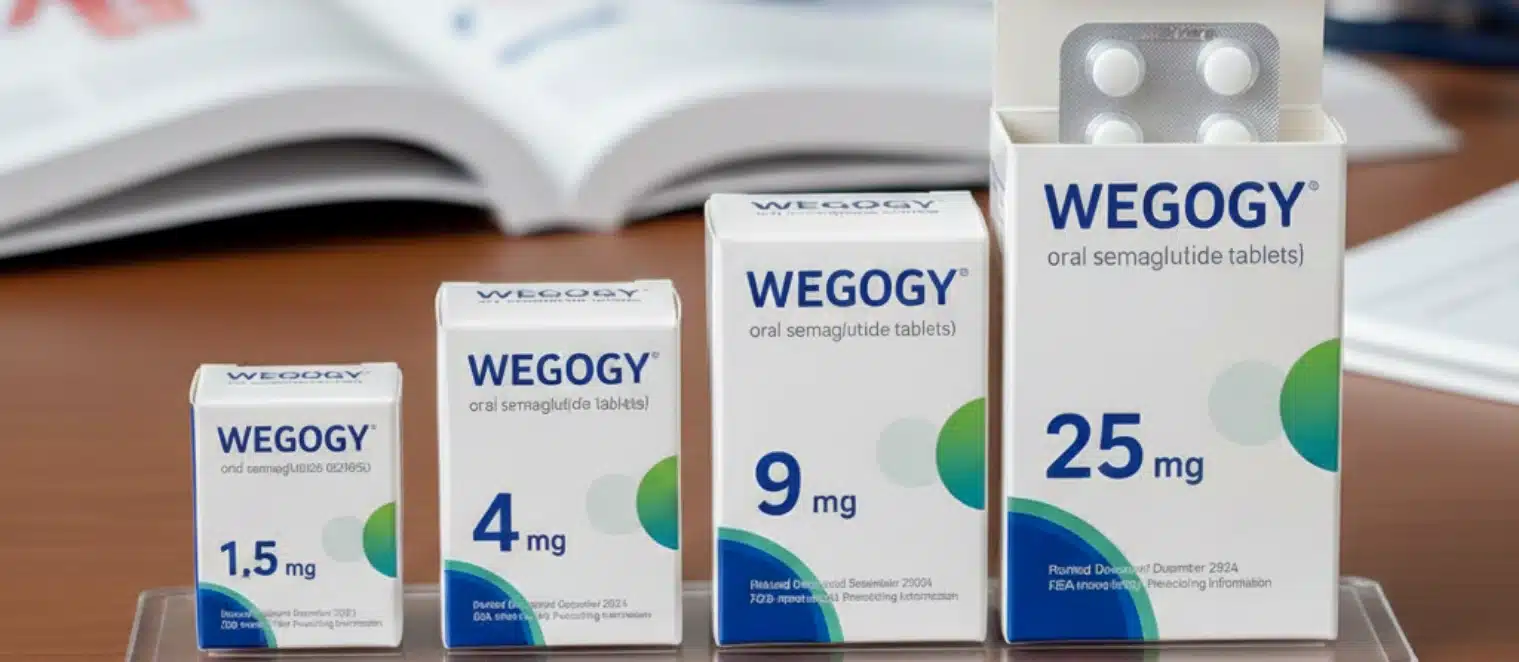
The tablet strengths approved by the FDA include 1.5 mg, 4 mg, 9 mg, and 25 mg.
For some patients, the idea of avoiding injections removes a major psychological barrier to treatment. Others find a once-weekly shot easier than remembering a daily pill with strict timing rules. Neither option is “better” in the abstract. The tablet exists to expand choice, not to replace the injection.
Wegovy tablets come in distinct strengths and follow their own step-up pathway, which the FDA label lays out for cardiovascular risk reduction and weight reduction in adults. Comparing milligrams across pill versus injection often misleads because the delivery route, absorption window, and exposure pattern differ by design. Patients usually do better when they treat “tablet dosing” as its own system, then use clinician follow-up and tolerability to guide how quickly they advance.
Who Wegovy tablets are for
Adults using Wegovy tablets for weight management
Wegovy tablets are indicated for adults with obesity, or adults who are overweight and also have at least one weight-related medical condition. Examples of such conditions include hypertension, dyslipidemia, or type 2 diabetes, although the FDA labeling focuses on eligibility criteria rather than a fixed list of diagnoses.
The medication is intended to be used alongside reduced-calorie eating and increased physical activity. It is not approved as a cosmetic weight-loss product or for people seeking small, short-term changes without medical need.
Adults using Wegovy tablets for cardiovascular risk reduction
Beyond weight loss, Wegovy tablets are approved to reduce major adverse cardiovascular events in adults with established cardiovascular disease who also have overweight or obesity. This indication reflects evidence that semaglutide can lower cardiovascular risk in this specific population when used as directed.
This point matters because it shifts the conversation away from appearance and toward long-term health outcomes such as heart attack and stroke risk. For patients with known cardiovascular disease, that context often drives decision-making more than the number on a scale.
Who should not use Wegovy tablets
The FDA labeling lists clear contraindications. Wegovy tablets should not be used by people with a personal or family history of medullary thyroid carcinoma or multiple endocrine neoplasia syndrome type 2. The medication is also contraindicated in individuals with a known hypersensitivity to semaglutide or any tablet component.
Patients with certain medical histories, including prior pancreatitis or gallbladder disease, require careful discussion with a clinician rather than assumptions. The presence of risk does not always mean automatic exclusion, but it does mean closer monitoring and shared decision-making.
What results patients can realistically expect
Clinical trial data provide the best anchor for expectations because they show what happened over a full year of structured follow-up. In the pivotal 64-week study of oral semaglutide 25 mg, average weight reduction landed in the mid-teens versus low single digits with placebo, with higher-response groups achieving larger losses in a meaningful subset, as reported in The New England Journal of Medicine and summarized for clinicians by the American College of Cardiology. These results reflect a dose-escalation pathway and lifestyle counseling similar to what appears in the trial record, so daily execution still matters in practice.
Those numbers describe averages under trial conditions, not guarantees for every individual. Some patients lose less, some lose more, and the timeline varies. Early changes often involve appetite reduction and feeling full sooner, while visible weight loss usually unfolds gradually over months rather than weeks.
Plateaus are common and not a sign of failure. They often reflect the body adapting to a new energy balance. Long-term success tends to correlate with adherence to dosing instructions, tolerance of dose escalation, and sustained lifestyle adjustments rather than willpower alone.
How Wegovy tablets work in the body
Semaglutide belongs to a class of medications known as GLP-1 receptor agonists. In practical terms, this means it influences appetite regulation and satiety signals in the brain and slows gastric emptying. Patients often describe fewer intrusive thoughts about food and a quicker sense of fullness during meals.
The slowing of stomach emptying explains both benefits and side effects. Feeling full sooner can support calorie reduction, while nausea or bloating can occur during dose increases. These effects are pharmacologic, not psychological, and they typically lessen as the body adapts.
The medication does not “burn fat” or speed metabolism in the way stimulants do. Weight loss results primarily from reduced energy intake supported by physiological changes in hunger and satiety.
The dosing pathway and why it is gradual
Wegovy tablets follow a structured dose-escalation schedule. Treatment typically begins with 1.5 mg once daily for 30 days, then increases every 30 days through higher strengths until the recommended maintenance dose of 25 mg once daily is reached, assuming the patient tolerates each step.
This gradual approach exists to reduce gastrointestinal side effects, not to delay results unnecessarily. Skipping steps or rushing dose increases raises the likelihood of nausea, vomiting, or diarrhea severe enough to interrupt treatment.
Some patients remain at a lower dose longer if side effects persist. Others may not tolerate the highest dose at all. The goal is not to “push through” discomfort but to find the highest effective dose a patient can use consistently.
Taking Wegovy tablets correctly
The empty-stomach rule that matters
Wegovy tablets must be taken once daily in the morning on an empty stomach with water only, limited to four ounces, then followed by at least a 30-minute wait before any food, beverages, or other oral medicines. Those instructions come directly from the FDA prescribing information and exist because absorption depends on that quiet window. When patients compress the wait, pair the tablet with coffee, or stack it with other morning pills, they can unintentionally reduce exposure while still assuming they “took it,” which creates confusing progress and avoidable frustration over time.
Building a workable routine
Many patients succeed when they treat the tablet as a fixed morning sequence rather than a “take it when you remember” medication. Taking it immediately on waking with measured water, then using a timer until the 30-minute mark, lines up with the administration rules in the FDA label. That structure also makes it easier to plan thyroid medicine, supplements, breakfast, and coffee without accidental overlap that quietly undermines absorption.
Travel, shift work, or irregular mornings require planning. Carrying a measured water bottle and using phone reminders often prevents missed or mistimed doses.
Wegovy tablets can work well, but the tablet form has strict, easy-to-miss timing rules. This quick checklist table translates the label instructions into real-life “what to do” steps and common pitfalls to avoid.
| Daily-use checkpoint | What to do (label-based) | Common slip-up | Why it matters |
|---|---|---|---|
| Timing | Take once daily in the morning on an empty stomach. | Taking it later after breakfast, or “whenever I remember.” | The tablet is designed around an empty-stomach window to support absorption. |
| Water amount | Use plain water only, up to 4 ounces. | Using a full bottle of water, coffee, juice, or flavored drinks. | Non-water beverages or excess liquid can interfere with proper absorption. |
| 30-minute waiting window | Wait at least 30 minutes before any food, drink, or other oral medications. | “Just a sip of coffee,” breakfast within minutes, or taking morning pills together. | Shortening the wait can reduce how much medicine is absorbed. |
| How to swallow | Swallow the tablet whole. | Crushing, splitting, or chewing to “make it easier.” | Changing the tablet can alter how it behaves in the stomach and affect dosing reliability. |
| Dose escalation | Follow the step-up schedule over time (starting low, increasing by month as directed). | Skipping starter steps or pushing higher doses early. | Faster escalation can increase gastrointestinal side effects and disrupt adherence. |
| GI side effects watch | Expect GI symptoms to be possible, especially during dose increases; report severe or persistent symptoms promptly. | Ignoring dehydration risk during vomiting/diarrhea or waiting too long to call. | Trials show GI events are common; dehydration can become a medical problem if symptoms are severe. |
| Safety “do-not-use” flags | Do not use if you have a personal/family history of medullary thyroid carcinoma or MEN 2, or hypersensitivity to semaglutide. | Starting without reviewing relevant personal/family history. | These are labeled contraindications and require clinician review before use. |
| If a day goes wrong | If you miss a dose or break the timing rules, follow your prescribing instructions rather than improvising. | Doubling doses or changing timing on your own. | Unplanned changes can increase side effects and undermine consistent treatment. |
Side effects and safety considerations
Common and usually manageable effects
The most frequently reported side effects involve the gastrointestinal tract, particularly nausea, diarrhea, constipation, reflux, and reduced appetite, and they tend to cluster around dose-escalation periods. Patient-facing summaries like the FDA’s Wegovy safety summary help set expectations, while the FDA prescribing information provides the fuller context on adverse reactions and why clinicians slow the titration when symptoms interfere with daily life. Many patients also benefit from reviewing the practical side-effect list and support guidance on NovoCare so they can distinguish “common but manageable” from “call the office today.”
These effects are often mild to moderate and tend to improve over time. Eating smaller meals, avoiding very high-fat foods during dose increases, and staying hydrated can help.
Symptoms that require prompt medical advice
Severe or persistent abdominal pain, repeated vomiting leading to dehydration, signs of allergic reaction, or symptoms suggestive of pancreatitis require medical evaluation. These events are uncommon but important to recognize early.
The FDA labeling also includes warnings related to mood changes and suicidal ideation. Any new or worsening mental health symptoms should be discussed promptly with a clinician rather than ignored or attributed solely to stress.
Medication interactions and timing conflicts
Because Wegovy tablets require an empty stomach and delayed intake of other oral medications, timing conflicts matter. Thyroid hormone replacement, for example, is also often taken on an empty stomach, creating a need for individualized scheduling.
Patients using diabetes medications should be aware of hypoglycemia risk when combining therapies, particularly if insulin or sulfonylureas are involved. Coordination among prescribing clinicians helps prevent unintended complications.
Alcohol does not directly interact with semaglutide, but it can worsen nausea and dehydration, especially during dose escalation. Moderation and self-monitoring are practical safeguards.
Cost, access, and insurance realities
Understanding pricing layers
Reports indicate that Wegovy tablets have a lower self-pay cash price for starter doses and a higher price for maintenance doses, while the list price remains similar to injectable Wegovy. These numbers matter because insurance coverage often references list price rather than promotional cash pricing.
Patients paying out of pocket may encounter different monthly costs as doses increase. Planning ahead avoids surprise expenses during the transition from starter to maintenance dosing.
Navigating insurance approval
Coverage varies widely by plan. Prior authorization is common, and insurers may require documentation of body mass index, weight-related conditions, or previous weight-management attempts. Approval is not guaranteed, even when FDA criteria are met.
Clear communication with the prescribing office and insurer improves the odds of timely decisions. Delays are common and frustrating, but they reflect administrative processes rather than medical judgment.
3 Practical Tips
- Stability improves when the tablet becomes part of a predictable morning routine, with alarms and timers used consistently rather than relying on memory alone.
- Tolerance often improves when meals during dose increases are smaller and lower in fat, reducing nausea without sacrificing nutrition.
- Planning ahead for travel or schedule changes prevents missed doses, which can disrupt momentum and increase side effects when restarting.
FAQ
Is the Wegovy tablet as effective as the Wegovy injection?
Wegovy tablets and Wegovy injections use semaglutide, but they deliver it differently, so “as effective” depends on the specific outcome you care about and how closely you follow dosing instructions. In the pivotal 64-week trial of oral semaglutide 25 mg (the Wegovy tablet), participants had substantially greater average weight reduction than placebo, as reported in PubMed and summarized by the American College of Cardiology. For the weekly injection (2.4 mg), the STEP 1 trial showed sustained, clinically relevant weight reduction versus placebo in adults with overweight or obesity, as published in PubMed and in The New England Journal of Medicine. Direct head-to-head comparisons between the tablet and injection are limited, so clinicians usually frame the decision around preference, adherence, tolerability, and the labeled indications in the FDA prescribing information.
What happens if I miss a dose or eat too soon after taking it?
If you miss a daily dose of Wegovy tablets, the prescribing instructions say to skip that day’s dose and take the next dose the following day, rather than doubling up, as stated in the FDA prescribing information and on Wegovy’s official dosing page. Eating or drinking anything besides plain water too soon can reduce absorption because oral semaglutide depends on an empty-stomach window and a minimum 30-minute wait, which the FDA label describes in detail. A single “mistimed” day does not automatically mean treatment failure, but repeated timing errors can quietly reduce effectiveness over time, so many patients treat the morning dose as a fixed routine rather than a flexible reminder.
Can I take Wegovy tablets with my other morning medications?
Wegovy tablets require at least a 30-minute separation from any food, beverages, and other oral medications, which is why combining it with typical “take on waking” medicines can create scheduling conflicts, per the FDA prescribing information. Some medications also have their own empty-stomach rules, so clinicians often help patients design a safe sequence rather than guessing or improvising. If you have a complex morning regimen, discuss timing with your prescriber or pharmacist so you protect absorption, reduce side effects, and avoid unintended interactions, using practical guidance such as the oral semaglutide timing overview from Mayo Clinic.
Will insurance cover Wegovy tablets?
Coverage depends on the plan, and many insurers require prior authorization for anti-obesity medications, which often means your clinician submits documentation to support medical necessity, as described by NovoCare’s coverage guidance. Even with coverage, copays and restrictions vary, so verifying benefits early helps avoid delays during dose escalation. If coverage is limited or denied, some patients explore manufacturer support pathways and pricing resources such as the NovoCare Wegovy price guide and the official Wegovy cost-and-coverage page.
Long-term success with Wegovy tablets depends on realistic expectations, correct daily use, and ongoing medical follow-up. Weight change is only one outcome. Improvements in blood pressure, glucose control, or cardiovascular risk may matter just as much, particularly for patients using the medication for heart health.
Clinicians who stay current with evolving evidence can help patients interpret progress and adjust plans when challenges arise. At Fountain of Youth in Fort Myers, staff monitor ongoing developments in metabolic and cardiovascular care so conversations with patients reflect the most up-to-date understanding.
Questions? We are here to help! Call 239-355-3294.
Common myths and confusing claims to ignore
“It works even if you don’t follow the timing rules” fails in real life because the tablet’s absorption depends on the empty-stomach morning window and the 30-minute wait described in the FDA prescribing information. “More dose is always better” also misleads, since the best dose is the highest one a patient can take consistently without side effects that derail adherence or hydration. Patients usually get the strongest long-term outcome when they treat correct daily use as the priority, then let weight trend, tolerability, and clinician follow-up determine how quickly escalation makes sense.
Side effects can feel alarming, but discomfort alone does not automatically signal danger. Severe, persistent, or escalating symptoms deserve prompt clinical advice rather than self-experimentation.
Stopping treatment can change appetite and weight trajectories, but outcomes vary and depend on long-term habits, follow-up, and individualized plans. Real-world outcomes reported in peer-reviewed research, such as the PMC cohort analysis of semaglutide-associated weight loss, help set expectations for variability outside controlled trials.
Medical review: Reviewed by Dr. Keith Lafferty MD, Fort Myers on January 10, 2026. Fact-checked against government and academic sources; see in-text citations. This page follows our Medical Review & Sourcing Policy and undergoes updates at least every six months. Last updated January 10, 2026.