
Temperature-guided facials should feel controlled, not extreme
Warm and cool tools can support comfort, surface softness, and visible calm when they are timed carefully. The right sequence depends on sensitivity, recent treatments, congestion, redness patterns, and whether the visit should focus on relaxation, extractions, or a composed finish.
- Warm contact may help soften surface oils and improve glide before massage or targeted extractions.
- Cooling may help settle visible flush after manipulation without turning the facial into a harsh cold exposure.
- Reactive or recently treated skin usually needs narrower temperature ranges, shorter contact, and more barrier support.
Plan the right temperature sequence for your skin
At our Fort Myers practice, a customized facial can adjust warmth, cooling, pressure, and product layering around your skin’s current tolerance instead of relying on a fixed spa routine.
Physician-reviewed content • Evidence-aware care • Personalized treatment planning
When technology and touch need to stay balanced
Temperature work should support the facial rather than overpower it. Skin that needs more analysis may benefit from advanced facial technology, while dryness or sensitivity may call for a more protective skin barrier health plan.
Luxury Meets Physiology
Clients expect luxury to feel indulgent while delivering results that hold beyond tomorrow. Temperature control elevates luxury facials by shaping comfort, circulation, and visible calm throughout treatment. Estheticians guide these responses with warm and cool tools that work like dimmers. Teams create memorable experiences when they align sensory elements with proven physiology. Fountain of Youth SWFL studies new thermotherapy literature each season, then updates staff playbooks.
Thermophysiology 101: How Skin Responds to Temperature
Heat increases cutaneous blood flow through active vasodilation, which supports oxygen and nutrient delivery. Warm tissues feel more pliable, and massage maneuvers gain efficient, comfortable glide. Cool temperatures trigger vasoconstriction, which helps reduce redness and perceived swelling after manipulation. Chilled contact also slows nerve conduction slightly, which clients interpret as soothing comfort. Hot water strips natural oils, and excessive heat raises transepidermal water loss. Lymphatic tone responds to temperature shifts as well, which influences puffiness during recovery.
Myth-Busting for Clear Client Education
Pores do not open or close like doors, since pores lack muscular gates entirely. Warm steps soften surface lipids and loosen corneocyte cohesion, which eases extractions. Clients often say cooling “seals products,” yet cooling mainly slows blood flow and evaporation. You still lock hydration with smart layering rather than imaginary pore control. Precision language protects trust, and accurate expectations reduce disappointment after events. Teams also distinguish spa cooling from medical cryotherapy, which treats lesions destructively.
Heat Modalities: Mechanisms and Best Uses
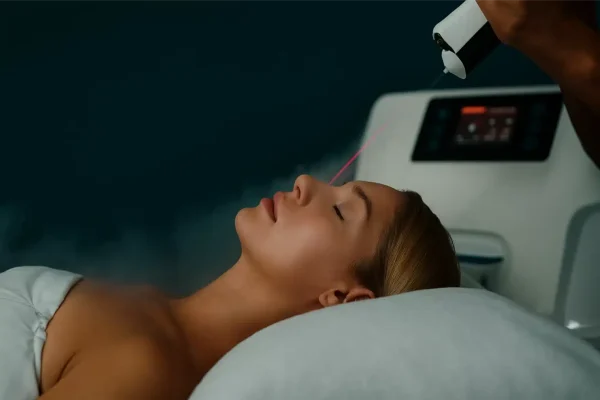
Thermophysiology 101: How Skin Responds to Temperature
Warm Stones
Therapists use warm stones to distribute even, consistent warmth across targeted regions. The controlled temperature improves pliability without provoking barrier stress or blotchy flush. Practitioners favor stone glides before massage or enzyme work to prepare tissues. Short sequences protect hydration while still improving comfort and mobility across planes. Hygienic handling matters because stones contact multiple zones during a single service. Providers log temperatures and times, then adjust for redness-prone or dehydrated clients.
Steamed Towels
Estheticians apply steamed towels briefly to soften sebum and surface buildup before work. Gentle warmth improves grip during extractions while keeping the barrier stable and comfortable. Contact time stays short because prolonged heat increases water loss and sensitivity. Facial teams position towels with mindful pressure that avoids friction across fragile areas. Clients appreciate the ritual when it leads into precise cleansing or polishing. Providers replace towels promptly to maintain sanitation and consistent, predictable temperature.
Heated Massage Tools
Heated tools deliver sustained, low-level warmth that enhances glide and relaxation. Practitioners choose modest temperatures because prolonged heat can trigger reactive flushing. Massage sequences emphasize rhythm and direction while heat supports tissue flexibility. Products spread evenly with the added warmth, which improves tactile satisfaction significantly. Redness-prone clients receive shorter intervals, and technicians monitor feedback in real time. Logs record duration, temperature, and skin responses to guide future personalization.
Cold Modalities: Mechanisms and Best Uses
Chilled Globes and Rollers
Chilled globes calm erythema by driving brief vasoconstriction across manipulated zones. Estheticians sweep outward along drainage pathways while avoiding aggressive pressure or friction. The cool touch reduces perceived swelling and improves camera readiness after extractions. Clients describe a refreshed feel as cooling dampens tingling and heat echoes. Therapists clean tools between passes to protect hygiene and consistent temperature delivery. Teams also limit session length to prevent numb spots or cold discomfort.
Cryo Sticks or Localized Cooling Tips
Providers reach for cryo sticks when small areas flare after focused work. These precision tools target corners around the nose, chin, or post-extraction points. Short, gentle contacts reduce redness quickly while preserving overall facial warmth. Technicians observe blanching closely and shorten passes when skin looks overly pale. Clients appreciate the controlled touch because accuracy avoids chill shock or drip mess. Records capture sensitive locations and preferred timing for future visits.
Cooling Masks and Gels
Cooling masks lower surface temperature while delivering hydration and comfort-building ingredients. Lightweight gels sit well on reactive skin and avoid heavy occlusion during heat. Estheticians pair masks with humectants to bind water before finishing layers. The cool phase quiets sensory nerves, which reduces prickly sensations after manipulation. Clients often report even makeup laydown the next day with fewer touchups. Teams schedule this step near the end to shape lasting comfort and appearance.
Prefer calm skin after extractions or massage?
Temperature-guided finishing can pair well with facial massage when the goal is smoother glide, less visible flush, and a composed finish before leaving.
Sequencing Strategies That Optimize Outcomes
Warm-Then-Work
Services gain efficiency when therapists apply brief warmth, then shift into active steps. Warm tissue accepts massage, enzymes, or careful extractions with less tug or drag. Hydration layers follow immediately to protect the barrier before introducing any stimulation. Cool passes finish the sequence to reduce flush and dial in tone. Clients leave with comfort intact, and glow persists across the next day. Practitioners document timings, then fine-tune based on sensitivity trends and feedback.
Cool-Down Finish
Redness-prone complexions benefit from short cooling intervals at the end of services. Estheticians keep movements smooth and directional to avoid extra mechanical stimulation. Product order matters because hydration should sit under calming, breathable finishes. Clients feel composed for photos, meetings, or dinner plans after thoughtful cooling. Therapists adjust duration based on complexion tone, climate, and recent procedures. Notes track successful timings that deliver predictable, event-ready results.
Alternating Cycles
Some clients respond best to alternating warm and cool phases during sections. Warmth invites pliability for specific techniques, while cooling stabilizes comfort promptly afterward. Practitioners set tight timing windows that prevent barrier stress from extremes. Alternation helps congestion and puffiness when lymphatic tone needs nudging in stages. Evidence shows vasoconstriction may persist after rewarming, which supports brief, controlled cooling. Records capture outcomes so cadence evolves from demonstrated responses, not guesswork.
When to Avoid Extremes
Recently exfoliated or treated skin needs caution around dramatic temperature shifts. Therapists favor lukewarm contact and minimal pressure during early recovery windows. Short, gentle cooling helps comfort without shocking sensitive barriers or capillaries. Clients with rosacea flares or eczema patches also require shorter, measured segments. Providers always prioritize safety over spectacle, then explain the decisions during consults. Careful restraint protects results and preserves trust long after the appointment.
Use this planner to match each facial step with the right warm or cool contact. Follow the aims, pairings, and cautions to protect comfort while keeping results consistent.
| Facial Step | Warm Contact – Aim | Cool Contact – Aim | Layering Before / After | Avoid During This Step | Client Notes |
|---|---|---|---|---|---|
| Cleanse / Prep | Brief warm compress to soften debris and reduce initial tension | Optional short pass to calm early flush on reactive skin | pH-respecting cleanser; mist humectants before next step | Hot water, prolonged steam, heavy friction around corners | Rosacea or eczema: cut warmth; favor gentle towel pressure |
| Enzyme / Gentle Polish | Short warmth to improve pliability and support even spread | Skip cooling here to avoid slowing enzymatic activity prematurely | Thin humectant layer, then enzyme; hydrate immediately afterward | Stacked heat cycles or long contact that spikes TEWL | Dehydrated skin: shorten polish and move faster to hydration |
| Extractions (Targeted) | Very brief, localized warmth to soften sebum at the site only | Short cooling passes on treated zones to limit swelling and shine | Soothe with a light gel; seal with breathable emollient afterward | High pressure, repeated passes, or long cold that causes blanching | Oil-rich T-zones benefit most; keep anchors steady to reduce pinch |
| Massage / Manual Work | Low-level warmth to enhance glide and tissue pliability during strokes | Reserve cooling for finish if visible flush rises mid-sequence | Slip-friendly emollient before; hydration booster immediately after | High heat on redness-prone cheeks; aggressive friction at jawline | Shorten warmth for reactive clients and monitor comfort cues |
| Mask Phase (Hydrating) | Gentle warmth for comfort only; avoid overheating occlusive formulas | Cooling mask or chilled globes over mesh to reduce residual redness | Humectant serum under mask; calm emulsion after removal | Direct ice on bare skin; long cold that numbs sensation | Event days: extend gentle cooling slightly for photo readiness |
| Finish & Sunscreen | No added warmth; protect hydration from late-stage evaporation spikes | Brief final pass to refine tone and settle post-massage color | Emollient to smooth, then sunscreen; choose breathable textures for wear | Heavy occlusives in humid climates; chilling the entire face unnecessarily | Photo shoots: confirm shine control and recheck edges before departure |
Barrier Preservation and Product Layering
Facials protect glow when teams pair temperature steps with smart layering decisions. Hydrators land after warmth to replace water before any evaporative losses escalate. Emollients smooth texture, while light occlusives reduce water escape without heaviness. pH-respecting cleansers keep the acid mantle steady before and after temperature work. Sunscreen textures must complement finishes, or makeup performance will suffer later. Therapists document exact product order to replicate comfort and results consistently.
Customizing by Skin State and Scenario
Redness-Prone or Reactive
Sensitive clients need gentler heat and slightly extended cooling at the end. Therapists minimize friction, then choose fragrance-light formulas that avoid common triggers. Buffer layers protect delicate corners around the nose and cheeks during maneuvers. Teams reduce steam time dramatically while relying on careful hand technique. Clients learn signals to report, and sessions evolve with those notes. Everyone benefits when comfort rises and visible calm holds after departure.
Congestion or Oil-Rich Skin
Oil-rich zones respond to brief warmth that softens sebum before extractions. Estheticians work with measured pressure and support tissues with steady anchoring. Cooling immediately follows treated areas to minimize swelling and shine appearance. Breathable finishes keep pores from feeling smothered during humid weather. Clients receive at-home texture guidance that respects climate and daily schedule. Notes track which intervals produced the easiest, cleanest extractions that week.
Dry, Dehydrated, or Mature
Drier skin appreciates moderate warmth that encourages pliability before hydration layers. Therapists deliver humectants first, then add emollients that feel cushioned and silky. Short cooling passes settle sensation without flattening the desired luminous finish. Clients often schedule evening appointments because sleep amplifies overnight hydration gains. Teams also adjust timing during seasonal shifts when air becomes especially arid. Follow-ups confirm whether texture holds across days or needs small calibrations.
Event-Ready “Photo Finish”
Event clients value polish, controlled shine, and low risk of lingering flush. Providers use precision warmth around tense regions to smooth microtexture before finishing. Cooling intervals nudge redness downward, then sunscreen completes a makeup-friendly canvas. Shine management relies on breathable films rather than heavy mattifying layers. Clients leave confident about cameras, reception rooms, and bright restaurant lighting. Event clients who want a glowing complexion sometimes pair facials with a separate beauty infusion on the schedule.
Post-Procedure or Recently Exfoliated
Freshly treated skin needs narrower temperature ranges and kinder handling throughout. Therapists skip heavy steam and choose lukewarm compresses for comfort only. After a chemical peel, therapists favor lukewarm contact and brief cooling to preserve comfort. Cooling stays brief and gentle to avoid capillary spasm or blanching. Layering emphasizes hydration first, then protective finishes that respect sensitivity. Clients receive clear timelines for resuming actives after microneedling without derailing gains. Documentation captures any tingling patterns and informs next-visit adjustments.
Safety and Hygiene Essentials
Practitioners set safe temperature ranges before sessions and confirm with reliable thermometers. Teams limit warm contacts to brief, comfortable windows that preserve hydration. Cold exposure stays short and controlled to protect sensation and barrier integrity. Tool sanitation follows rigorous protocols between passes, including stones, globes, and wands. Fresh towels, clean water, and organized trays keep execution smooth and professional. Pre-service screenings flag conditions that warrant modified plans or medical referrals.
Service Menu Integration and Staff Excellence
Spas deliver credibility when menus frame temperature work as purposeful, not gimmicky. Leaders price enhancements realistically while protecting enough time for careful execution. Staff train on timing, pressure, and phrasing that set accurate expectations. Fountain of Youth SWFL conducts quarterly workshops that translate new evidence into daily protocols. Clients feel that investment immediately because services run with repeatable polish. Retention improves when every visit reflects education, coaching, and disciplined technique.
Measuring Outcomes Clients Can Feel and See
Teams standardize photos and lighting angles to make comparisons genuinely useful. Practitioners log erythema levels, comfort notes, and day-after feedback systematically. Hydration and oil maps inform texture choices that match climate and lifestyle. Clients participate in tracking, which strengthens adherence between appointments and seasons. Managers review trends and refine sequencing to elevate outcomes across the board. Data-driven habits keep services fresh while still honoring individual preferences.
Protocol Blueprints You Can Personalize
Comfort-First Deep Clean
Therapists start with a brief warm compress to soften surface debris gently. Manual work proceeds with low-friction support and steady tissue anchoring throughout. Hydration layers follow quickly to stabilize feel before any stimulation. Cooling finishes the plan with short, directional passes that avoid over-chilling. Clients who dislike drama appreciate calm skin and steady texture the next morning. Notes record comfort scores and guide incremental timing improvements next visit.
Redness-Control Refinement
Providers cleanse with lukewarm water, then choose a very low-stimulation polish step. Cooling arrives earlier than usual to minimize reactive flushing during the remainder. Lightweight, calming finishes keep breathability while sustaining hydration beneath sunscreen. Guests appreciate the controlled glow that photographs cleanly under bright lights. Staff capture redness ratings at departure and during the next-day check-in. Iterations then sharpen timing until results feel predictably camera-ready.
Congestion Management
Specialists apply targeted warmth across oil-dense areas to prepare for precise extractions. Anchor hands reduce pinch while tools move with careful, efficient paths. Immediate cooling addresses treated zones and helps minimize subsequent shine. Lightweight endings manage texture without trapping sweat during active days. Clients receive simple aftercare that clarifies when to hydrate and when to blot. Documentation notes which passes cleared the most buildup with the least redness.
Rest-and-Repair Evening Facial
Therapists deliver soft warmth to relax jawlines and brows before rich hydration. Massage favors long, grounding strokes that signal downshifted nervous system tone. A comfort-heavy stack keeps moisture in place for overnight renewal. Minimal cooling closes the session with a composed, drowsy finish. Clients tend to sleep deeply and report balanced skin the next day. Teams check on sleep quality during follow-ups to confirm ongoing benefits.
5 Practical Tips
- Match warm intervals to specific maneuvers, then protect hydration before any cooling.
- Keep cooling short and targeted when redness arises rather than chilling everything.
- Track climate and schedule, then select finishes that survive meetings, gyms, or flights.
- Teach clients one-minute at-home compress routines for mornings after big events.
- Review notes together and adjust timing before the next appointment window opens.
A good fit when skin needs controlled comfort
Thermal tools and facial cooling make the most sense when the provider can adjust timing instead of applying heat or cold as a routine add-on. The goal should remain steady comfort, better product layering, and a finish that fits your skin’s tolerance that day.
- Consider this approach when massage, extractions, or polishing usually leave lingering redness.
- Ask for shorter heat exposure if the skin feels dry, tight, recently exfoliated, or easily flushed.
- Choose targeted cooling rather than full-face chilling when only a few zones look reactive.
A gentle radiance facial may suit clients who want a calmer finish without aggressive temperature swings.
FAQ
Do warm tools actually “open pores,” or do they just soften surface oils?
Warm tools soften surface lipids and loosen corneocyte bonds instead of opening pores. You still manage pores by clearing buildup, respecting pressure, and protecting the barrier.
How long does post-cooling redness reduction typically last after a facial?
Most clients notice calmer color for several hours, sometimes longer after minimal manipulation. You can extend the effect with breathable finishes and smart sunscreen textures.
Which clients should avoid strong temperature swings during treatments?
Highly reactive, freshly exfoliated, or post-procedure clients benefit from narrower ranges. You protect comfort best with lukewarm contact and gentle, time-limited cooling.
What temperature and contact-time ranges protect comfort without dulling results?
Warm contacts usually stay brief and comfortable, not hot or lengthy. Cooling passes remain short and directional, then yield to layering that preserves hydration.
Choose the facial path that matches your skin response
Temperature work can support several facial goals, but the best match depends on what your skin shows after cleansing, massage, and finishing layers. For dryness or tightness, review the hydrating facial; for oil-rich areas and visible buildup, compare the clarifying facial.
Temperature Intelligence for Confident Skin
Luxury arrives when treatments feel exquisite while honoring how skin actually behaves. Heat and cold deliver complementary effects that estheticians can choreograph with precision. Clients enjoy calmer departures, more predictable glow, and fewer day-after surprises. Teams maintain standards by measuring outcomes, refining timing, and documenting responses.
Medical review: Reviewed by Dr. Keith Lafferty MD, Fort Myers on August 9, 2025. Fact-checked against government and academic sources; see in-text citations. This page follows our Medical Review & Sourcing Policy and undergoes updates at least every six months.