What Makes Amino Blend IM Injections Different?
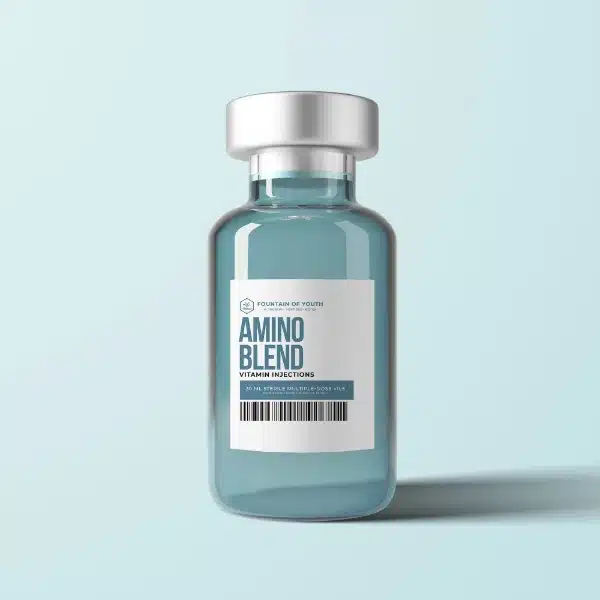
Amino Blend intramuscular injections offer a focused way to support metabolism, energy, and recovery without relying on digestive absorption. This method bypasses the delays and inconsistencies of oral supplements, instead delivering potent amino acids directly into muscle tissue for gradual release. Unlike intravenous therapies, IM injections do not flood the bloodstream all at once. Their slower uptake helps minimize the acute systemic shifts that can cause side effects in sensitive individuals.
These injections serve a distinct purpose within clinical wellness strategies. They enhance nutrient uptake without the intensity or volume required by IV drips, making them ideal for routine supplementation. IM therapy provides a midpoint between convenience and precision—suitable for people looking to support their body’s natural performance safely and efficiently.
The appeal lies in the balance of high potency and tolerability. Each injection provides key amino acids in concentrated form, designed for quick access by muscle cells and surrounding tissue. Many patients report feeling a noticeable energy boost within hours or by the next day, which makes this therapy appealing for active individuals, professionals under stress, or anyone with increased metabolic demands.
Core Components and Their Purpose
Amino Blend injections include a combination of essential, nonessential, and conditionally essential amino acids. This formulation supports a wide range of physiological processes, from protein synthesis to cellular repair and fat metabolism. While each amino acid plays a unique role, they act synergistically when injected into muscle tissue.
L-Arginine supports vasodilation by increasing nitric oxide, helping improve circulation and cellular oxygenation. L-Citrulline enhances physical performance by buffering muscle fatigue and supporting recovery. L-Lysine contributes to immune regulation and collagen synthesis, playing an important role in skin and tissue health. L-Proline assists with structural protein formation, especially important for wound healing and joint integrity. L-Carnitine facilitates fatty acid transport into mitochondria, promoting energy production and fat utilization.
Most importantly, these amino acids are delivered in therapeutic concentrations. For example, L-Arginine is often present at 100 mg/mL, a strength that supports metabolic response while requiring clinical oversight due to its powerful vascular effects. By concentrating on IM delivery, the therapy maintains potency without overwhelming systemic absorption.
Research has shown that amino acid infusion directly stimulates human muscle protein synthesis, validating the therapeutic logic of targeted amino acid delivery through injections.
Why Intramuscular Injection? Clinical Advantages Over IV or Oral Routes
Intramuscular delivery of amino acids solves the absorption challenges that limit oral supplementation. In the digestive tract, many amino acids break down before reaching systemic circulation. Enzymatic degradation and poor gut permeability reduce the effectiveness of even high-quality oral formulas. By injecting directly into well-perfused muscle tissue, this method bypasses those barriers entirely.
Unlike intravenous drips, which create immediate systemic exposure, IM injections release nutrients gradually. This controlled release supports stability and safety, especially in individuals with metabolic or cardiovascular concerns. The smaller volume—typically under 5 mL per site—also reduces the risk of fluid overload, a concern with large-volume IV infusions.
IM injections work well for therapies requiring repeat administration with minimal downtime. They fit into wellness routines without the complexity of IV setups or the unpredictability of gastrointestinal absorption. Clinicians prefer this method when seeking consistent dosing, controlled uptake, and localized delivery without compromising potency.
Regulating Purity: Compounding, Sterility, and Quality Assurance
Regulating Purity: Compounding, Sterility, and Quality Assurance
Each Amino Blend injection begins with a compounded sterile preparation. These are custom-mixed formulations made by accredited pharmacies to meet patient-specific needs. To protect patient health, every stage of compounding must follow rigorous standards for sterility, purity, and ingredient verification.
Because these injections are not mass-produced like commercial drugs, oversight becomes critical. Contamination risks rise if the environment is not properly controlled or if raw materials lack proper certification. According to the American Society of Health-System Pharmacists, “Sterility assurance is not just a regulatory goal—it is a clinical responsibility.”
Chemical stability also matters. High concentrations of amino acids, especially Arginine and Lysine, may precipitate or degrade without proper formulation control. Precipitation could lead to tissue irritation or reduced efficacy.
A 2022 review of injectable amino acid formulations found that variability in amino acid composition and stability among manufacturers could affect clinical outcomes, underscoring the need for strict quality assurance.
At Fountain of Youth, we continuously monitor developments in compounding safety to ensure our protocols stay ahead of federal guidelines and patient safety expectations.
Contraindications and Safety Screening: Who Should NOT Get This Injection?
This therapy, while generally well tolerated, is not suitable for everyone. Certain health conditions significantly increase the risk of adverse effects. For this reason, patient screening must occur before any administration, and ongoing monitoring should follow for repeat users.
Individuals with recent myocardial infarction must avoid L-Arginine, as it can worsen outcomes by lowering blood pressure or influencing coagulation. Patients with seizure disorders may experience worsening symptoms from L-Carnitine, especially at high doses. People with severe renal impairment, particularly those not on dialysis, risk accumulation of amino acids and metabolic byproducts, leading to hyperkalemia or metabolic acidosis. L-Lysine adds to this risk by affecting nitrogen elimination and urea cycle function, making hepatic or renal compromise a contraindication.
A JAMA-published study demonstrated that L-Arginine therapy after myocardial infarction was associated with increased mortality in some patients. This supports the need for mandatory screening prior to injection.
Understanding Drug and Nutrient Interactions
Amino Blend injections introduce active compounds that interact with medications commonly used by patients with chronic conditions. These interactions can amplify drug effects or introduce new risks, especially when not disclosed during pre-screening.
L-Arginine enhances nitric oxide production, which can dangerously amplify the effects of antihypertensive medications. Patients already using blood pressure drugs like ACE inhibitors or beta-blockers may experience severe hypotension. Arginine also interacts with nitrates—prescribed for chest pain—leading to compounded vasodilation and unstable hemodynamics.
L-Arginine slows coagulation and may increase bleeding risk when combined with anticoagulants or antiplatelet agents, such as warfarin, aspirin, or high-dose fish oil. Injecting into muscle under these conditions can cause hematomas, prolonged bruising, or systemic bleeding concerns.
L-Lysine, meanwhile, may raise potassium levels when combined with potassium-sparing diuretics. In patients with even mild kidney impairment, this interaction can push serum potassium into dangerous territory.
As Health Canada has warned, L-Arginine supplements pose a heightened risk to patients with cardiovascular disease, emphasizing the importance of disclosure and monitoring.
3 Practical Tips Before Your Appointment
- Hydrate well for 48 hours before your appointment to support metabolic stability and nutrient uptake.
- Avoid alcohol, aspirin, NSAIDs, or fish oil for 24 hours to reduce the risk of bruising or bleeding.
- Eat a small, balanced meal before the appointment to maintain blood sugar and avoid lightheadedness.
What to Expect During Administration
The injection is administered into a well-perfused muscle, typically the gluteus or deltoid, depending on your body composition and dose volume. A trained professional selects the site carefully, avoiding nerve clusters and ensuring proper needle depth.
You may feel a brief pinch or mild pressure during administration. Some describe a spreading sensation as the solution enters the muscle tissue. This sensation varies depending on technique, needle gauge, and your hydration level.
L-Carnitine and Arginine may cause more pronounced warmth or tingling than other components. These reactions usually subside within minutes. Post-injection tenderness may last for up to 48 hours but generally responds well to a cold compress.
Our clinical staff receives focused training to minimize discomfort and prevent site complications. Patient feedback consistently shapes our injection protocols to ensure a positive experience with each visit.
Immediate Aftercare: Supporting Recovery and Effectiveness
After receiving your injection, rest for several minutes before leaving the clinic. This helps your body adapt and reduces the risk of a vasovagal response. Avoid lying down flat, which can promote pooling of blood near the injection site and increase soreness.
Wait at least 24 hours before engaging in strenuous physical activity. Heavy exercise can stress the injection site, reduce nutrient absorption, and increase discomfort. Keep the area clean and dry for the first day, and avoid applying pressure to the site.
Apply a cold compress if you experience localized swelling or tenderness. If discomfort persists beyond 48 hours, notify your provider to rule out extravasation or inflammation. Keep up with hydration and consume protein-rich meals to enhance the effects of the amino acids.
Recognizing Side Effects vs. Serious Reactions
Most individuals tolerate Amino Blend injections without issues. Mild symptoms may include muscle soreness, fatigue, bloating, or nausea. These typically resolve within a day or two and reflect your body adapting to increased amino acid availability.
A unique, harmless effect may include a fishy odor in breath or sweat caused by L-Carnitine’s metabolism to trimethylamine. While surprising, this odor poses no health risk and often disappears with dose adjustment.
Be alert to any severe symptoms such as chest pressure, confusion, abnormal heartbeat, or swelling in the extremities. These may indicate metabolic disturbances or clotting issues and require prompt evaluation. As Mayo Clinic explains, “Signs of a serious reaction can include muscle pain, confusion, or changes in heartbeat.”
Emergency Preparedness and Reporting Channels
Always report new or worsening symptoms to your provider, even if they seem minor. Early documentation helps refine your treatment plan and prevents recurrence. Injection site redness, burning, or persistent pain may signal extravasation and needs attention.
If you experience signs of severe allergic reaction, such as swelling, wheezing, or tightness in the chest, seek immediate medical help. These reactions remain rare but require rapid intervention. Patients with known sensitivities should alert staff before administration.
For after-hours concerns, contact your clinic’s emergency line or present to urgent care. You may also report side effects to the FDA via MedWatch at 1-800-332-1088 if you believe they relate to product quality or unexpected interactions.
FAQ: Key Patient Questions
What is the difference between IM and IV amino acid therapy?
IM injections release amino acids gradually into muscle tissue, offering controlled absorption with fewer systemic risks. IV infusions deliver nutrients directly into the bloodstream, which can cause sudden shifts in blood pressure and electrolytes. IM injections are better suited for routine support without the need for real-time monitoring.
How soon will I feel the benefits of the Amino Blend injection?
Many patients report increased energy, focus, or recovery within 12 to 24 hours. Individual responses vary depending on hydration, nutrition, and metabolic demand. Regular users often notice cumulative effects over several weeks.
Can I take this injection if I’m on blood pressure medication?
This depends on your exact medication and dosage. L-Arginine can amplify the effects of blood pressure drugs, sometimes causing hypotension. Always consult with your provider for screening before starting IM therapy.
What do I do if I feel lightheaded after the shot?
Sit or lie down with your legs elevated and sip water slowly. Avoid standing suddenly or walking without support. If symptoms last longer than 15 minutes, notify your clinic for further guidance.
The Role of Clinical Judgment in Repeat Use
Long-term use of high-concentration amino acid injections requires regular health checks. Providers may request blood work to monitor kidney, liver, and electrolyte levels. This approach ensures that any cumulative risks are caught early.
Some patients benefit from cycling injections or adjusting dosage intervals. For example, athletes in high-intensity training may respond differently than patients managing fatigue or metabolic recovery. Clinical customization remains central to safe, ongoing therapy.
A well-managed injection plan prioritizes patient feedback, lab data, and overall treatment goals. By pairing science with responsiveness, providers can maintain results without compromising safety.
Summary of Clinical Value and Risk Mitigation
Amino Blend IM injections offer targeted metabolic support with a lower risk profile than IV nutrient therapy. This approach suits wellness-focused individuals seeking energy, stamina, and recovery support without committing to more invasive protocols.
Safe administration depends on pre-screening, ingredient quality, and provider skill. Each injection delivers powerful compounds that interact with the body and medications in meaningful ways. Clear protocols and clinical oversight transform this therapy from a wellness trend into a science-backed support strategy.
Questions about this therapy or whether it’s right for you? We’re happy to help—just give us a call at 239-355-3294 to speak with our care team.
Amino Blend injections deliver targeted amino acids for muscle recovery, metabolism, and overall performance support. To protect immune function during training blocks or busy seasons, many schedules combine Amino Blend with periodic Vitamin C and Tri-Immune Boost injections for additional antioxidant coverage. Glutathione can be added when detoxification, oxidative stress management, or skin clarity are key goals alongside muscle and metabolic support. For deeper mitochondrial and neurologic benefits, NAD+ and B-Complex injections fit naturally beside Amino Blend by reinforcing cellular energy and cognitive focus. Mineral Blend, Vitamin D3, and Biotin can then round out the plan by supporting electrolyte balance, bone health, and hair and nail strength within one coordinated protocol.
Medical review: Reviewed by Dr. Keith Lafferty MD, Fort Myers on December 4, 2025. Fact-checked against government and academic sources; see in-text citations. This page follows our Medical Review & Sourcing Policy and undergoes updates at least every six months.