The Role of Glutathione in Human Biology
What Is Glutathione and Why It Matters
Glutathione plays a central role in cellular health. This tripeptide, composed of cysteine, glycine, and glutamic acid, protects cells against oxidative stress. The liver naturally produces it, but modern lifestyle factors—such as pollution, poor nutrition, and chronic stress—can drastically reduce its levels. Low glutathione often accompanies premature aging, toxin buildup, and compromised immune function.
As the body’s master antioxidant, glutathione helps detoxify harmful compounds. It also aids tissue repair and modulates inflammation. Researchers now consider this molecule a cornerstone of metabolic resilience. “Glutathione is essential for maintaining the redox balance within cells,” confirms a peer-reviewed publication from the National Institutes of Health. When depletion occurs, supplementation may help restore cellular defense mechanisms—especially through targeted delivery methods like injection.
Why Oral Glutathione Doesn’t Work
Oral glutathione supplements often fail to deliver measurable benefits due to poor absorption. The digestive system rapidly breaks down native glutathione before it can enter the bloodstream. Studies show that less than 1% of the oral dose reaches systemic circulation in its active form.
Proteins and peptides generally degrade in the stomach and small intestine. This breakdown renders most commercial glutathione capsules ineffective at raising therapeutic levels. Some supplement brands attempt workarounds, such as liposomal delivery or chemical modification, but clinical data on these methods remains inconsistent. Patients relying solely on oral glutathione may see disappointing results, especially when addressing oxidative stress or pigmentation issues.
The Case for Injectable Delivery
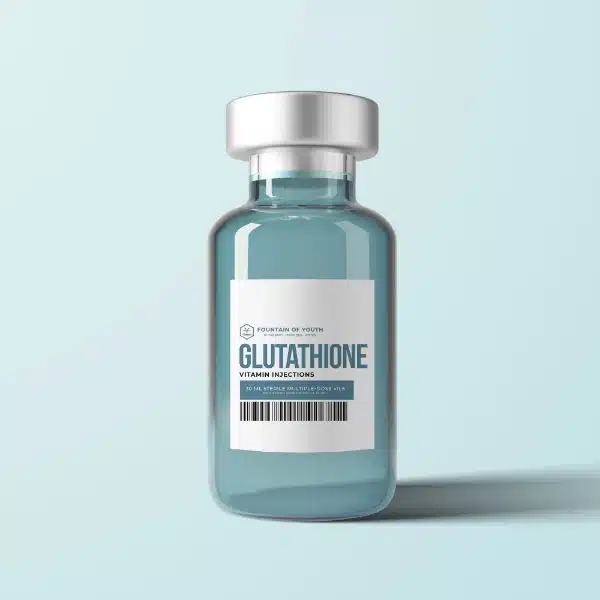
By using intramuscular (IM) or subcutaneous (SC) injections, glutathione bypasses the digestive system entirely. This route allows for far superior absorption and more predictable dosing. Medical providers often favor injections for patients who need steady plasma levels over time rather than a temporary spike.
Evidence-Backed Benefits of Glutathione Injections
While intravenous delivery provides the fastest boost, its effects diminish quickly due to glutathione’s short half-life. IM and SC methods offer slower but sustained release, making them ideal for ongoing support. These injections deliver therapeutic benefits without the need for IV access or clinical downtime. For routine wellness goals, the injection route balances convenience, efficacy, and safety.
Evidence-Backed Benefits of Glutathione Injections
Skin Brightening and Pigmentation Support
One of the most studied benefits of injectable glutathione is its impact on skin pigmentation. It alters melanin production by blocking the tyrosinase enzyme, which governs pigment formation. This mechanism shifts the balance from dark eumelanin to light pheomelanin, resulting in brighter, more even skin.
Clinical studies back this effect. A systematic review published in PubMed found that both oral and topical glutathione showed visible skin-brightening effects in sun-exposed areas. Photographic comparisons confirmed improvement across skin tone and patch distribution. These outcomes have made glutathione injections a sought-after option for people managing uneven tone, post-inflammatory marks, or environmental discoloration.
Detoxification and Antioxidant Reinforcement
Glutathione’s most vital role extends far beyond the skin. As the body’s primary intracellular antioxidant, it defends against free radical damage. These unstable molecules accumulate through pollution, alcohol intake, poor diet, and chronic disease.
Injectable glutathione boosts the body’s ability to detoxify both environmental and metabolic waste products. This function supports the liver, which depends on adequate glutathione stores to neutralize reactive toxins. Many patients receiving injections report improvements in clarity, energy, and metabolic resilience.
Although wellness clinics sometimes associate these injections with immune enhancement or vitality, such effects are difficult to quantify. Still, the antioxidant mechanism remains well-documented. In cases of nutrient depletion or oxidative overload, supporting the body’s master detoxifier may restore balance.
Use in Chronic and Complex Conditions
Medical researchers continue exploring glutathione’s applications in chronic health issues. Neurodegenerative disorders like Parkinson’s and Alzheimer’s often show significant depletion of endogenous glutathione. Preliminary evidence suggests that supplementing this antioxidant may relieve certain symptoms or slow oxidative deterioration.
Some protocols for cardiovascular health, diabetes management, or fatty liver disease include injectable glutathione as a complementary support—not as a cure. Patients with alcohol-related stress or circulatory challenges may also benefit, though outcomes vary widely.
Anecdotal reports suggest increased endurance, clearer thinking, or improved libido following treatment, but no published study has confirmed these claims. Practitioners must approach such applications with caution and always review each patient’s full medical picture.
Glutathione injections support a wide range of wellness goals, but patients often seek them for very specific outcomes. The table below outlines common treatment motivations and the biological rationale behind each use case.
| Patient Goal |
Underlying Concern |
How Glutathione Injections Help |
| Brighter, more even skin tone |
Hyperpigmentation and melanin imbalance |
Inhibits tyrosinase enzyme and promotes pheomelanin production |
| Support liver detox function |
Toxin accumulation or oxidative overload |
Enhances phase II detox pathways in liver cells |
| Improve energy and focus |
Mitochondrial inefficiency or redox imbalance |
Replenishes intracellular antioxidant reserves used in ATP production |
| Reduce visible signs of aging |
Accelerated cell damage and inflammation |
Neutralizes free radicals and supports skin cell regeneration |
What to Expect During Treatment
Typical Injection Protocols
Most injectable glutathione formulations come in concentrations of 200 mg per milliliter. Compounding pharmacies prepare these under strict conditions to preserve potency and ensure sterility. Once reconstituted, the solution requires refrigeration and must be used promptly.
Providers typically begin treatment with 100 to 200 mg doses, delivered one to two times per week. For skin-focused regimens, higher doses—300 to 600 mg three times weekly—may be used initially, followed by a maintenance phase. Dosage and frequency depend on the individual’s needs, health status, and therapeutic goals.
Patients should never self-inject glutathione without medical supervision. Proper handling, dosing precision, and monitoring are essential for both safety and success. A registered study by the National Institutes of Health is currently investigating the skin-lightening potential of oral glutathione, further emphasizing the clinical interest in systemic effects.
Injection Sites and Technique Matters
Where and how the injection is administered makes a meaningful difference. The most common intramuscular sites include the deltoid (upper arm) and dorsogluteal (buttock) muscles. Each has distinct pros and cons.
The deltoid allows for easy access and is often more comfortable, but it supports smaller volume doses. The dorsogluteal site accommodates larger volumes but requires careful anatomical mapping to avoid nerve injury. Absorption rates can also differ depending on the site, muscle mass, and body composition.
Medical providers use perpendicular injection angles and needles of appropriate length—usually at least one inch—to reach the muscle layer. This precision ensures maximum efficacy and minimizes the risk of suboptimal absorption.
The Patient Experience
Glutathione injections take just a few minutes to administer. Most patients describe the process as similar to receiving a flu shot or vaccine. Mild discomfort, such as a pinch or dull ache, may occur but typically resolves quickly.
Aftercare is simple. Applying a cold pack for 10 to 20 minutes helps reduce any swelling or bruising. Patients may resume their daily routines immediately without restrictions. Hydration remains important, particularly for those sensitive to rapid antioxidant shifts.
If minor symptoms like a headache or muscle tension occur, patients can take acetaminophen after consulting their provider. Fountain of Youth ensures every patient understands what to expect and how to manage temporary side effects with ease.
Understanding the Safety Profile
Mild and Expected Reactions
Most people tolerate glutathione injections well. Minor reactions at the injection site may include redness, bruising, tenderness, or a mild rash. These symptoms typically fade within hours.
Occasionally, patients experience gastrointestinal discomfort such as bloating, cramps, or nausea—especially if doses increase too rapidly. Headaches or dizziness may also arise as the body adjusts to elevated antioxidant levels. Staying hydrated and resting can ease these transient symptoms.
These effects do not usually indicate an allergy or intolerance. Still, communication with your provider ensures appropriate modifications if symptoms persist.
Serious Reactions and Dosing Paradoxes
Rare but serious reactions include systemic allergic responses. These may present as hives, widespread rash, bronchial tightness, or respiratory difficulty. Any known allergy to glutathione or its compounding ingredients must be disclosed before treatment begins.
Recent studies suggest that extremely high doses, especially when used long-term for cosmetic purposes, may pose risks. One animal study found signs of ovarian tissue changes when high doses were administered intramuscularly. Although human relevance remains uncertain, this research highlights the importance of avoiding excessive or unsupervised use.
Even beneficial compounds like glutathione can exhibit dose-dependent behaviors. That’s why we always tailor treatment plans to minimize risk and match individual physiology.
Drug Interactions and Red Flags
Glutathione can interact with other treatments. It may interfere with the mechanism of certain chemotherapy drugs that rely on oxidative pathways. Patients undergoing cancer therapy must consult their oncology team before receiving injections.
High-dose acetaminophen depletes glutathione reserves, potentially reducing efficacy or masking treatment benefits. Similarly, large doses of vitamin C may disrupt redox balance or exaggerate the body’s response. A thorough medication review helps prevent complications and ensures a smooth support experience.
Pregnant and breastfeeding individuals should avoid glutathione injections until more safety data becomes available. The precaution helps protect both maternal and fetal health.
3 Practical Tips for Safe and Effective Use
- Always request glutathione injections from licensed professionals in regulated clinical settings. This ensures safe handling, proper compounding, and evidence-based protocols.
- Stick with recommended dosing schedules. Avoid chasing cosmetic trends that promote excessive or unnecessary use.
- Ask for transparency about ingredient sourcing. Clinics should always provide proof that the injections meet pharmaceutical-grade sterility standards.
A Regulatory Lens on Compounded Glutathione
Why Quality Matters in Sterile Compounding
Compounded injectable medications require precise preparation under sterile conditions. Not all glutathione sold online or over the counter meets these standards. The U.S. Food and Drug Administration has issued clear warnings about the risks of using ingredients labeled for dietary—not pharmaceutical—use in injections.
Low-grade materials may contain higher levels of impurities, increasing the risk of bacterial contamination. Because injections bypass the gut, any impurity introduced this way reaches the bloodstream directly.
What the FDA Found
FDA investigations uncovered several cases of glutathione formulations containing five times the acceptable limit of bacterial endotoxins. In affected patients, symptoms began within hours and included chills, vomiting, muscle pain, and even hypotension. These reactions confirmed a direct link between substandard ingredient sourcing and serious systemic responses.
How Clinics Can Protect Patients
Safe practice starts with reputable sourcing. Clinics must use licensed compounding pharmacies that follow U.S. Pharmacopeia guidelines. Staff should confirm batch testing for sterility, potency, and purity before administration.
At Fountain of Youth, our medical team stays current on regulatory guidance and maintains strict quality assurance standards. This ongoing diligence helps ensure every glutathione injection supports wellness without compromising safety.
Maintenance, Results, and Long-Term Use
Timeline of Visible Changes
Results vary by patient, but most experience gradual improvement. In the first 2 to 4 weeks, the skin may appear more vibrant and even. By the second month, clients often notice a smoother texture and reduced discoloration.
After 3 to 6 months of consistent therapy, the full benefits usually become visible. These include diminished hyperpigmentation, reduced blemishes, and an overall brighter complexion. Wellness benefits, such as improved energy or mental clarity, follow a less linear timeline.
How Long Do the Effects Last?
Glutathione levels decline again without continued support. To maintain results, many patients transition to a maintenance schedule once initial goals are reached. Skipping treatments or engaging in high-stress habits like smoking or excessive sun exposure may shorten results.
Long-term use may also deplete cofactors like selenium or vitamin B6, which assist glutathione in cellular pathways. Periodic nutrient assessments help ensure ongoing balance and sustained effects.
When to Call Your Provider
Patients should always reach out if symptoms feel unusual or linger beyond 24 hours. Red flags include persistent nausea, severe pain at the injection site, or any signs of allergic reaction. Sudden fever, rigors, or faintness following treatment could indicate an issue with injection sterility and must be addressed immediately.
Regular follow-ups allow clinicians to adjust protocols and reinforce safety. Glutathione works best when monitored and personalized over time.
Questions about your treatment plan or response to therapy? We’re here to guide you. Call us at 239-355-3294 for expert support tailored to your goals.
Frequently Asked Questions
Can I take oral glutathione alongside injections?
Oral glutathione is poorly absorbed and does not offer the same clinical benefit as injections. If you’re already receiving injectable treatment, adding oral forms typically offers little extra support. Always discuss supplement use with your provider.
How soon will I see results for skin lightening?
Visible changes often begin within 2 to 4 weeks but vary by individual. Full effects may take 3 to 6 months with regular treatment. Results depend on factors like lifestyle, sun exposure, and baseline pigmentation.
Are glutathione injections safe for long-term use?
Yes, when prescribed appropriately and monitored by a healthcare professional. Long-term safety depends on correct dosing, proper sourcing, and ongoing evaluation. Patients should avoid self-directed or high-frequency regimens without guidance.
Is there a difference between subcutaneous and intramuscular delivery?
Both routes bypass the digestive tract and improve absorption, but intramuscular injections offer deeper penetration and are preferred for higher doses. Subcutaneous injections may be used for smaller volumes or patients requiring more frequent administration. The best method depends on your goals and provider’s assessment.
Glutathione injections are often chosen as a cornerstone antioxidant therapy for detox support, oxidative stress control, and skin brightness. To keep immune health front and center, many patients schedule additional immune-focused injections such as Vitamin C or Tri-Immune Boost alongside their glutathione plan. For deeper cellular and metabolic support, NAD+ and Amino Blend can be added to the calendar to reinforce energy production, focus, and exercise recovery. Mineral Blend and Vitamin D3 provide targeted nutrient backup for muscles, nerves, and bone health, complementing the antioxidant work glutathione is performing. Beauty and energy goals can be addressed by layering Biotin and B-Complex injections into the same framework, creating a coordinated protocol rather than isolated treatments.
Medical review: Reviewed by Dr. Keith Lafferty MD, Fort Myers on December 4, 2025. Fact-checked against government and academic sources; see in-text citations. This page follows our Medical Review & Sourcing Policy and undergoes updates at least every six months.