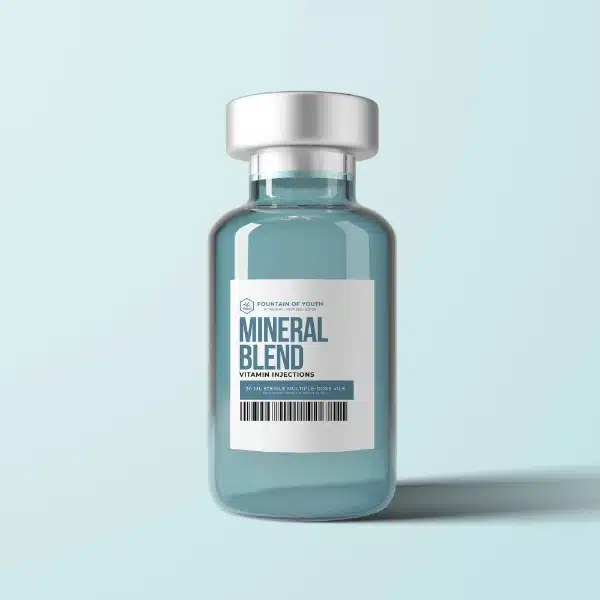
Intramuscular mineral blend injections have become an increasingly valuable addition to wellness protocols designed to address subtle deficiencies and support metabolic resilience. These injections deliver trace elements like zinc, manganese, copper, and selenium directly into muscle tissue, where they absorb gradually. Unlike oral supplements or intravenous (IV) drips, the intramuscular (IM) route ensures long-lasting, steady nutrient delivery without overwhelming the system. Patients who seek foundational support for immune, antioxidant, and cellular processes often benefit from this controlled-release approach.
At Fountain of Youth SWFL, our licensed professionals remain actively engaged with the latest pharmacologic protocols and safe compounding methods for micronutrient-based therapies, including IM mineral blends. This support page focuses specifically on what patients need to know about the science, clinical use, safety, and expectations surrounding these targeted injectable formulations.
What Makes Intramuscular Delivery Unique?
IM injections deliver vitamins or minerals into the deeper layers of muscle tissue, such as the gluteus or deltoid. These muscles have a strong blood supply, enabling steady systemic absorption. Once injected, the compound resides in the muscle, forming what’s called a “depot.” From there, the body gradually absorbs the active ingredients over hours or days.
This depot effect sets the IM route apart from IV drips, which release all nutrients into circulation instantly. While IV therapy creates a sharp peak in plasma levels, IM delivery avoids this spike. As a result, it significantly reduces the risk of acute toxicity. According to NIH StatPearls, IM delivery supports a slower pharmacokinetic release profile that avoids high serum concentrations and improves overall safety.
Patients with gastrointestinal absorption issues, such as those who’ve undergone gastric bypass surgery, often cannot absorb nutrients well from pills. IM injections help bypass that barrier. This makes the method ideal not only for people recovering from surgery but also for individuals with chronic gut inflammation, fatigue, or metabolic strain.
Core Nutrients in the Injection: What They Do
Zinc, Copper, Manganese, and Selenium at a Glance
These trace minerals may be needed in tiny amounts, but their impact on human biology is extensive. Unlike macronutrients that provide energy, trace elements enable the body’s enzymes, DNA repair systems, and antioxidant responses to function correctly. Combined in one injection, these elements support multiple systems at once, especially during times of stress or recovery.
These four elements work synergistically. Zinc and selenium both enhance immune function. Copper and manganese facilitate the body’s oxidative defenses. Together, they assist in repair processes, support thyroid function, and protect tissues from free radical damage.
Core Nutrients in the Injection: What They Do
Inside the Cell: Mechanisms of Action
Zinc enables DNA and RNA polymerases to operate correctly. These enzymes are essential for cellular repair, replication, and healing. Zinc also supports protein folding and modulates immune pathways, making it particularly valuable after injury or infection. One analysis from PMC found zinc supplementation in older adults significantly reduced infection incidence by modulating both innate and adaptive immune cell activity.
Copper acts as an oxidase cofactor and plays a role in ATP production. This trace element also facilitates iron transport and hemoglobin synthesis, making it critical for energy and endurance. According to the NIH Office of Dietary Supplements, elevated zinc intake can interfere with copper absorption and raise deficiency risk.
Manganese is a cofactor for the enzyme superoxide dismutase (MnSOD), which neutralizes damaging reactive oxygen species. This antioxidant function supports tissues under inflammatory or metabolic stress. As described in recent studies on MnSOD, this enzyme plays a pivotal role in converting superoxide radicals and preserving cellular integrity.
Selenium forms part of selenoproteins, which control antioxidant activity and help regulate thyroid hormones. It supports both immune modulation and endocrine stability. According to the NIH Selenium Fact Sheet, selenium is incorporated into 25 selenoproteins that support thyroid hormone conversion and antioxidant protection.
Clinical Context and Use Scenarios
In clinical medicine, mineral blend injections originated from the need to deliver nutrients to patients receiving parenteral nutrition (PN), where oral intake wasn’t possible. Those PN standards still guide safe dosing today. In wellness settings, the same injectable principles now serve a broader range of individuals with functional health goals.
For example, post-bariatric surgery patients often need lifelong B12 and trace mineral injections due to bypassed absorption areas in the gut. In these cases, IM administration becomes more than just a support option—it’s a necessary medical intervention.
Outside of surgery recovery, individuals facing high metabolic demands—such as competitive athletes or people recovering from prolonged illness—often benefit from episodic mineral support. Unlike oral supplements, which may suffer from limited absorption, IM blends ensure consistent bioavailability even in compromised states.
Importantly, any patient undergoing IM mineral therapy must be screened and dosed appropriately. The transition from clinical to wellness use doesn’t eliminate the need for precision. At Fountain of Youth SWFL, dosing always follows PN-derived maximum thresholds and respects each patient’s body weight and medical profile.
Certain everyday habits and health conditions can significantly reduce the body’s stores of essential trace minerals. This chart highlights known lifestyle factors that commonly deplete zinc, copper, manganese, or selenium, and whether IM injection is typically beneficial in each case.
| Lifestyle or Health Factor |
Likely Depleted Mineral(s) |
Mechanism of Depletion |
IM Injection Beneficial? |
| High Alcohol Intake |
Zinc, Selenium |
Increased urinary loss and reduced absorption |
Yes, often indicated for restoration |
| Gastrointestinal Surgery (e.g., gastric bypass) |
Zinc, Copper, Selenium |
Impaired absorption post-resection |
Yes, often required long-term |
| Chronic Stress or Overtraining |
Zinc, Manganese |
Increased metabolic demand and loss via sweat |
Yes, for recovery and support |
| Vegetarian or Low-Protein Diet |
Zinc, Selenium |
Lower bioavailability from plant-based foods |
Possibly, case-dependent |
| High-dose Zinc Supplementation |
Copper |
Zinc-induced interference with copper uptake |
Yes, with monitored copper repletion |
How the Injection is Administered
Step-by-Step Procedural Overview
Only licensed clinicians should administer IM injections, and the entire process must follow sterile protocols. First, the provider selects a needle long enough to reach deep muscle tissue based on the patient’s build. Alcohol wipes sterilize the site, and the provider uses an appropriate-angle injection to ensure proper depot formation.
Muscles typically used include the upper outer quadrant of the gluteus or the deltoid. For repeat sessions, rotating between sites reduces local irritation and prevents tissue fatigue. After injection, the provider applies gentle pressure and a bandage.
The goal isn’t rapid absorption. The solution stays within the muscle fibers, dispersing slowly over time. This creates the sustained release that defines the IM method.
Who Should Not Receive It
Certain individuals should avoid IM mineral therapy or receive it only under specialist oversight. Patients with liver or kidney impairment, autoimmune disease, or mineral metabolism disorders require careful consideration. For instance, those with Wilson’s disease—a rare disorder affecting copper regulation—should not receive copper supplementation.
Before each session, the clinician must review the patient’s health history. Known allergies to components, unexplained rashes, or prior reactions to injectable therapies may indicate risk. As a safety measure, all patients must disclose medication use, underlying medical conditions, and supplement routines to prevent interactions or overexposure.
Side Effects, Aftercare, and Patient Guidance
Common Post-Injection Reactions
Most people tolerate IM mineral injections well, though some local effects are expected. Soreness, bruising, or tenderness around the injection site may appear and generally resolve within 24–48 hours. Cold compresses and gentle movement often reduce discomfort.
Bruising stems from small capillaries disrupted by the needle. According to ESPEN’s guideline, proper technique and post-injection cooling reduce the likelihood of subdermal hematoma and swelling.
If swelling or pain worsens, or if signs of infection (redness, warmth, pus) develop, patients should notify their provider.
Immediate and 48-Hour Aftercare Protocol
During the first two days post-injection, patients should protect the site and stay hydrated. Clean, dry skin around the injection area helps reduce risk of irritation. Gentle movement, without intense exercise, supports muscle absorption without straining the tissue.
Consuming water—at least 8 to 10 glasses—and eating nutrient-rich foods may enhance how the body utilizes the injected minerals. Avoid alcohol during this window, as it can interfere with mineral processing and increase bruising risk.
Showering is safe, but hot tubs and saunas should be avoided until the site heals.
Expected Timeline of Benefits
Some patients report feeling an energy boost or improved clarity within hours, though this depends on individual metabolism and the nutrient blend used. Other effects—such as immune support or antioxidant protection—may take a day or two to become noticeable.
In general, benefits unfold gradually over several days. The depot design of IM injections allows this delayed release. Results may last a week or longer, depending on lifestyle and health status.
Patients receiving ongoing treatments often schedule doses every 1–4 weeks, based on their goals and how quickly their bodies utilize the nutrients.
Dosing Guidelines and Toxicity Risk Management
IM injections offer a built-in safety feature: their slow release. Still, dosing requires careful oversight. Trace elements like zinc or manganese have narrow therapeutic windows. Over time, excess buildup could cause adverse effects—especially in patients receiving regular injections.
Safe upper limits for IM administration often mirror PN thresholds. For example, zinc should not exceed 3 mg daily in adults over 50 kg. Manganese limits typically fall below 55 mcg daily. These thresholds reflect findings in University of Virginia research on long-term PN trace element monitoring.
Our providers always reference these clinical ceilings. We calculate dosing per patient, never relying on generic blends without proper screening. This ensures that nutrient support remains safe, even during long-term use.
Dosing errors, particularly from unlicensed providers or unsanctioned products, present real risks. That’s why all compounded mineral blends used at Fountain of Youth SWFL originate from verified pharmacies and undergo formulation review before injection.
How Mineral Blends Differ from Other Injectables
Peptides, Vitamins, and Minerals: A Biochemical Comparison
Many wellness injections use the same IM or subcutaneous delivery route but contain vastly different ingredients. Peptides, for instance, are short chains of amino acids that trigger cellular processes. They act as messengers, binding to receptors and influencing hormone release or tissue repair.
Minerals, on the other hand, don’t initiate cellular signals. Instead, they act as cofactors—essential for existing enzymes and structures to function correctly. Their presence allows the body to carry out biochemical tasks it already knows how to perform.
This distinction is key. While both types of therapy use injection to improve bioavailability, their roles differ dramatically. One instructs, the other equips.
Patients choosing IM mineral blends should understand this foundational support role. The goal isn’t to direct change but to ensure cells have the raw materials they need to respond to stress, recover, and thrive.
Role of Compounding and Professional Oversight
Mineral blends for injection often come from compounding pharmacies. These pharmacies prepare custom formulations based on physician directives, rather than using off-the-shelf FDA-labeled drugs. That’s not inherently risky—but it does demand professional accountability.
All compounded solutions must meet sterility, potency, and labeling standards. The provider bears responsibility for verifying pharmacy quality, selecting appropriate dosing, and administering the injection safely.
At Fountain of Youth SWFL, our clinical team follows compounding best practices and remains in close contact with licensed pharmacies that specialize in micronutrient injectable solutions. Our protocols align with standards set by professional organizations such as ASPEN and USP <797>.
Questions? We are here to help! Give us a call at 239-355-3294 to speak with one of our medical professionals about your options and safety.
3 Practical Tips
- Rotate injection sites between sessions to minimize tissue irritation and promote even absorption over time.
- Drink at least 8 glasses of water within 24 hours of treatment to support cellular transport and mineral metabolism.
- Pair your injection with a protein-rich meal, which may improve how trace minerals integrate into enzyme systems.
Patient Questions Answered (FAQ)
What symptoms suggest I might benefit from a mineral blend injection?
Common signs include chronic fatigue, recurrent infections, slow wound healing, or brain fog. These symptoms may indicate functional deficiencies not always reflected in basic labs. IM mineral injections can help replenish depleted reserves more effectively than oral supplements.
Is this safe to get regularly, like once a week?
Yes, if administered under licensed supervision with proper dosing protocols. We follow parenteral nutrition guidelines to prevent accumulation and toxicity. Most patients do well with sessions spaced every 1 to 4 weeks based on their needs.
Can I get this injection alongside other therapies like peptides or B12?
Yes, many patients combine IM mineral blends with B12 shots or peptides. Each therapy serves a different role—minerals support enzymatic function, while peptides act as signaling agents. Your provider will customize timing and spacing to avoid overlap or interference.
What’s the difference between compounded and commercial mineral injections?
Commercial injections come pre-formulated with fixed doses. Compounded blends are custom-made by specialized pharmacies under physician order, allowing for personalized dosing. We vet each compounder thoroughly to ensure quality and safety.
Mineral Blend injections focus on restoring essential electrolyte and trace mineral balance, which supports muscles, nerves, and day-to-day stamina. Patients who want robust immune support around this core often add Vitamin C or Tri-Immune Boost injections for targeted antioxidant and infection-fighting benefits. Glutathione can be paired with Mineral Blend when detoxification, oxidative stress reduction, or skin clarity are also high priorities. For healthy aging and metabolic support, NAD+ and Amino Blend fit naturally alongside Mineral Blend by reinforcing mitochondrial function, focus, and workout recovery. Vitamin D3, Biotin, and B-Complex injections can then round out the plan by supporting bone density, hair and nail health, and sustained energy as your protocol evolves.
Medical review: Reviewed by Dr. Keith Lafferty MD, Fort Myers on December 4, 2025. Fact-checked against government and academic sources; see in-text citations. This page follows our Medical Review & Sourcing Policy and undergoes updates at least every six months.