
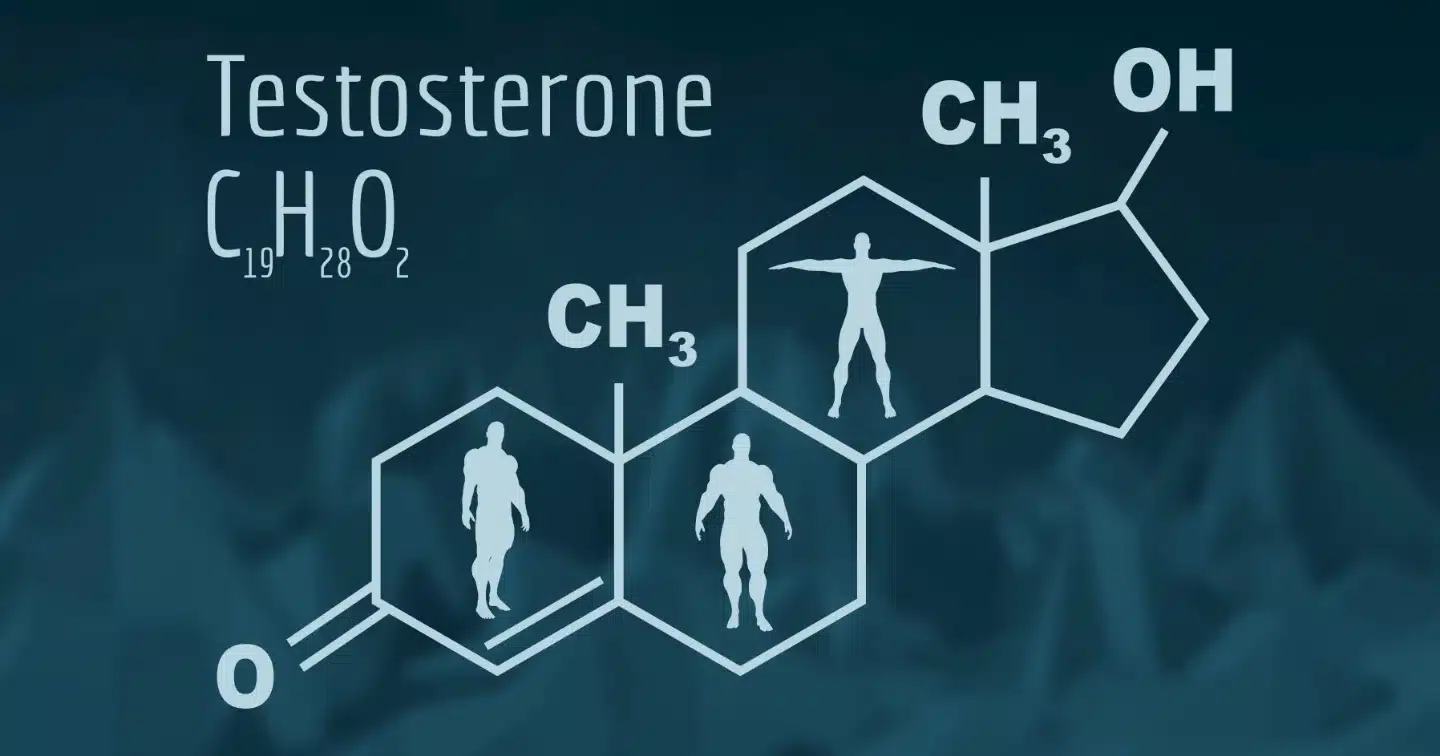
Hypogonadism is a medical condition where the body’s gonads, either the ovaries or testes, don’t function at their optimal capacity. This can lead to reduced secretion of the primary sex hormones: testosterone in males and estrogen in females. Resultingly, individuals with this condition may face both reproductive and systemic challenges. Delving deeper into its intricacies is essential for both affected individuals and the medical fraternity.
When Low Hormone Signals Deserve a Closer Look
- Persistent fatigue, reduced libido, mood changes, and muscle loss can reflect more than normal aging.
- Primary and secondary hypogonadism require different lab interpretation and treatment planning.
- Fertility goals, cardiovascular history, prostate considerations, and blood markers all matter before therapy begins.
A safer path starts with measured evaluation
For hypogonadism concerns in Fort Myers, Fountain of Youth SWFL connects symptoms, labs, history, and treatment goals through men’s hormone evaluation and TRT care instead of relying on symptoms alone.
Physician-reviewed content • Evidence-aware care • Personalized treatment planning
Different patients need different hormone strategies
Some patients need a broader hormone workup, while others need a focused discussion about delivery method, monitoring, and long-term follow-up. Related options include TRT pellet therapy and women’s hormone replacement therapy.
Understanding Hypogonadism
Hypogonadism Meaning
The term “hypogonadism” originates from “hypo,” meaning under, and “gonad,” referring to the reproductive glands. Together, they depict an under-functioning of these glands, leading to a deficit in sex hormones. These hormones are essential not only for reproductive functions but also for maintaining secondary sexual characteristics and overall well-being.
Primary vs. Secondary Hypogonadism
Primary Hypogonadism: In primary hypogonadism, the issue lies within the gonads themselves. Though the brain sends appropriate signals, the gonads can’t produce sufficient hormones. Causes include chromosomal anomalies, autoimmune conditions, and certain infections.
Secondary Hypogonadism (also known as central hypogonadism): This form arises due to an issue with the hypothalamus or pituitary gland. Conditions like Kallmann syndrome or tumors might hinder the brain’s signaling, affecting hormone production.
Hypogonadotropic Hypogonadism
Hypothalamic Hypogonadism: This type is a subset of secondary hypogonadism, wherein the fault lies specifically with the hypothalamus. This gland regulates body functions, from temperature to hormone production.
Hypogonadotropic Hypogonadism Treatment: Treatment for hypogonadotropic hypogonadism depends on the underlying cause, hormone findings, symptoms, and individual treatment goals. Treatments like gonadotropin injections or pulsatile GnRH have been effective for many patients. Treatment suitability depends on the individual diagnosis, goals, and safety profile and should be discussed with a qualified healthcare professional.
Identifying Hypogonadism
Signs and Symptoms
Hypogonadism Symptoms: Individuals may grapple with fatigue, decreased libido, and mood disorders. Other manifestations can be specific to one’s sex and age.
Hypogonadism Symptoms in Males: In males, symptoms span across reduced body hair, diminished muscle mass, and gynecomastia. Additionally, there can be issues with concentration and hot flashes.
Signs of Hypogonadism: Observationally, signs like a reduction in testicle or breast size, decreased muscle strength, and a lack of secondary sexual characteristics can be noted.
Hypogonadism Test
Hypogonadism Testosterone Levels: As the World Health Organization (WHO) outlines, blood tests remain the frontline diagnostic tool.
Special Considerations
Hypogonadism VA Rating: For veterans, understanding hypogonadism becomes imperative due to its potential link with service-related conditions or treatments. The VA rating system assesses its severity and determines disability benefits.
Symptoms need context before treatment decisions
Low testosterone symptoms can overlap with sleep disruption, medication effects, thyroid changes, depression, and metabolic concerns, so a structured testosterone replacement therapy evaluation should begin with confirmation, risk review, and a clear monitoring plan.
Comparison of Hypogonadism Treatments
Testosterone Replacement Therapy (TRT)
- Types: Testosterone treatment options can include gels, patches, and intramuscular injections, as discussed in the cited clinical literature.
- Benefits and risks: TRT may improve symptoms in appropriately diagnosed patients, but individual benefits vary and must be weighed against potential risks and monitoring requirements. However, it’s vital to be aware of associated risks, which include elevated hematocrit levels, potential prostate complications, and cardiovascular issues. Always consult with a specialist to understand the benefits in the context of individual health profiles.
Clomiphene Citrate
- How it works: It boosts testosterone by stimulating the pituitary to release more LH and FSH.
- Benefits and risks: Being non-steroidal, it can be an alternative to TRT. Side effects may include weight gain and mood swings.
Human Chorionic Gonadotropin (hCG)
- How hCG works: Administered as injections, hCG spurs testosterone production in males.
- Benefits and risks: While it enhances testosterone levels, one might experience bloating or mood alterations.
Natural Remedies
- Herbal supplements: Certain herbs like fenugreek have shown promise in elevating testosterone levels, a claim also supported by research in the Journal of Herbal Pharmacotherapy.
- Lifestyle changes: Regular exercise, stress management, and a balanced diet can support overall health and may complement appropriate medical management.
Hypogonadism in Specific Populations
Hypogonadism in Male
Clinical observations and data from Women’s Health and Endocrinology Research Groups, hypogonadism in females often manifest as irregular menstruations and hot flashes. There’s also a substantiated risk of osteoporosis, making early diagnosis and management essential.
Hypogonadism in Women
For females, it can bring irregular menstruations, hot flashes, and even lead to osteoporosis.
Hypogonadism in Children
In pediatrics, hypogonadism’s influence is profound. Delayed puberty, stunted growth, and absence of menstruation in teenage girls are key indicators.
Hypogonadism and Fertility
It’s a grave concern for many. Diminished hormone levels can thwart spermatogenesis in males and regular ovulation in females.
Hypogonadism and Mental Health
Psychological effects are notable. Individuals might grapple with mood disorders, decreased motivation, or cognitive challenges.
Hypogonadism and Bone Health
Decreased bone mineral density can elevate the risk of fractures.
Hypogonadism and Cardiovascular Health
It can have a bearing on heart health. Altered lipid profiles, endothelial dysfunction, and altered cardiac functions are potential concerns.
Hypogonadism Checklist for Patients
Symptoms Checklist
Regularly monitor physical and psychological changes. Document any persistent symptoms.
Diagnosis Checklist
Opt for blood tests, and in certain cases, imaging like MRI might be requisite.
Treatment Checklist
Depending on the diagnosis, options like TRT, hCG, or Clomiphene can be explored.
Lifestyle Changes Checklist
Stay active, eat a nutrient-rich diet, and manage stress. These not only support treatment but also overall well-being.
Follow-up Checklist
Periodic reviews with healthcare professionals are crucial. They help in tweaking treatments and ensuring optimal health.
Who may benefit from a hormone-focused consult?
A consult becomes more useful when symptoms persist, labs show a repeated pattern, or previous treatment has not included enough monitoring. The goal is not to label every concern as hormone-related, but to separate likely endocrine issues from overlapping health factors.
- Men with reduced libido, low morning energy, strength loss, or concentration changes alongside confirmed low testosterone.
- Women with menstrual changes, hot flashes, low drive, or bone-health concerns that may involve ovarian hormone decline.
- Patients who want fertility, cardiovascular risk, blood count, sleep, and medication history reviewed before considering hormone therapy.
A careful plan should connect symptoms, repeat labs, safety markers, and realistic follow-up before treatment begins.
For lab review, medication follow-up, or ongoing hormone planning, TeleHealth appointments may support convenient continuity when an in-person visit is not required.
Addressing Hypogonadism
Causes and Contributing Factors
Hypogonadism Causes: Etiologies can be multifaceted, from genetic predispositions to injuries or tumors affecting the gonads or central nervous system.
Testicular Hypofunction: Here, the testes don’t operate optimally, either due to inherent issues or external factors. This can either lead to hypogonadism or be its consequence.
Treatment Options
Hypogonadism Treatments: Hormonal interventions, whether through replacement or stimulation, remain at the core of treatments.
Hypogonadism Therapy: For managing secondary symptoms like muscle loss, physical therapy can be valuable.
Male Hypogonadism Treatment: Specifically for males, TRT remains predominant. Still, based on individual needs, Clomiphene or hCG might also be apt.
Useful follow-up topics after a low-testosterone diagnosis
After diagnosis, the next questions often involve fertility preservation, heart health, lifestyle support, and the right cadence for monitoring. These related guides can help patients prepare for a more informed conversation: preserving fertility on TRT and cardiovascular health during testosterone care.
Medical review: Reviewed by Dr. Keith Lafferty MD, Fort Myers on September 23, 2023. Fact-checked against government and academic sources; see in-text citations. This page follows our Medical Review & Sourcing Policy and undergoes updates at least every six months.
